


By Olatunbosun Obafemi
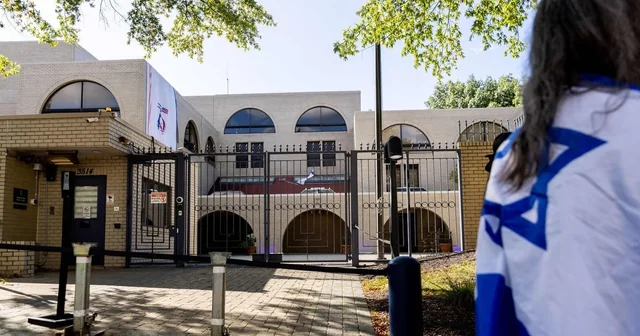
In an unprecedented move, the Israeli government has ordered the immediate closure of all its embassies and consulates across the globe, citing “extraordinary security concerns” and the need for a “unified national response” to rapidly evolving threats.
The Israeli Foreign Ministry confirmed late Friday that all diplomatic personnel have been recalled to Israel for emergency consultations. As a result, embassy operations—including visa issuance and consular assistance—have been suspended indefinitely.
“This is not a symbolic gesture,” a senior Israeli official told reporters. “It reflects the seriousness of the moment and the potential for further escalation across multiple fronts.”
The decision follows a series of Israeli military strikes on Iranian military installations, an operation that has already triggered international alarm and speculation of regional retaliation. While Israeli officials have refrained from disclosing operational details, defense sources say the country is bracing for a range of responses from Iran and its allied proxy forces in Lebanon, Syria, Iraq, and Gaza.
All Israeli missions are now under lockdown protocols, and Mossad operatives are reportedly conducting real-time threat assessments in major global capitals. Israeli citizens abroad have been urged to register with the Foreign Ministry’s emergency portal and to prepare for possible evacuation scenarios.
World leaders, including those from the United States, European Union, and UN, have issued urgent calls for de-escalation. However, Israel’s sweeping diplomatic withdrawal is being widely interpreted as a signal that the government anticipates a worsening security landscape.
With embassies shuttered and diplomatic channels frozen, Israel appears to be transitioning into a new phase of its geopolitical strategy—one that may be played out as much on battlefields as in backrooms.