

By Olatunbosun Obafemi
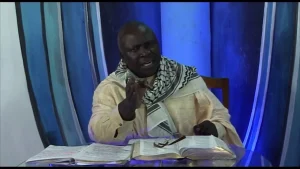
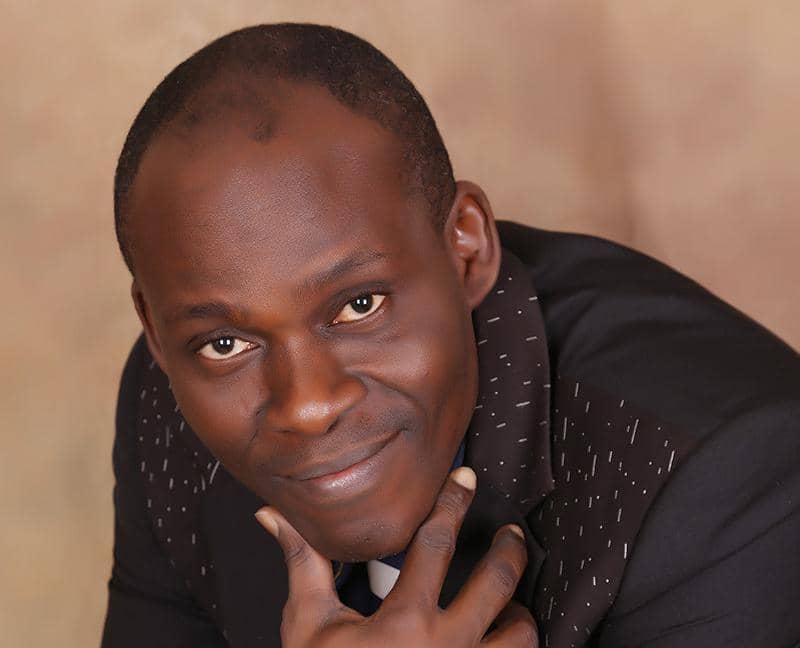
Rev. Ezekiel Dachomo stands as a striking embodiment of moral courage in a country where speaking the truth can be more dangerous than silence.
Based in Plateau State, he is not merely a pastor offering solace from the pulpit; he is a fearless advocate confronting the brutal reality of targeted killings of Christians in Nigeria. His statements have gone viral, particularly when he declared that if he were ever kidnapped, no ransom should be paid, insisting that “my grave will speak, my blood will raise war that will lead to Christians’ liberation.” Such words are not mere rhetoric – they are a declaration of defiance against violence, indifference, and systemic neglect.
Dachomo’s fearlessness lies in his willingness to challenge both external threats and societal complacency. While many live in quiet fear, he documents mass burials, visits gravesites, and compiles lists of murdered Christians, demanding that the Nigerian government be held accountable. He has even expressed intent to take the government to the International Criminal Court, framing these attacks not as isolated incidents, but as a systematic assault on a religious community. This dual confrontation – against both perpetrators and silence – requires immense courage, for it risks not only his life but also potential political and social backlash.
What makes his leadership particularly compelling is the clarity and moral conviction with which he speaks. In a context where violence is often minimized as “farmer-herder clashes” or dismissed as isolated banditry, Dachomo refuses to let the suffering of Christians be obscured. He insists that the world sees, remembers, and acts. His approach galvanizes believers, awakens global attention, and challenges religious and governmental institutions to respond, even as it polarizes opinion within Nigeria itself.
The intervention of US President Donald Trump adds a complex dimension to this narrative. When Trump publicly designated Nigeria as a “country of particular concern” over religious freedom, threatening potential military action or withdrawal of aid in response to Christian killings, the issue was catapulted onto the international stage. For Dachomo, this external attention is validating. It underscores the urgency of his cause and pressures the Nigerian government to act. Yet, it also carries risks: aligning with foreign powers can provoke nationalist backlash and provide ammunition for those who would delegitimize local advocacy. Trump’s involvement demonstrates how local courage can intersect with global geopolitics, creating both opportunities and complications for activists like Dachomo.
In my view, the fearlessness of Rev. Dachomo is remarkable not simply because he speaks out, but because of the method and intensity with which he does so. He does not shy away from naming perpetrators or challenging authorities. He records, documents, and communicates the suffering of his community in ways that are difficult to ignore. This is courage in action – a fearless commitment to truth-telling, even in the face of mortal danger.
Yet, courage alone is insufficient. Fearlessness must be coupled with strategic thinking, community protection, and efforts at reconciliation. Naming attackers and confronting authorities is necessary, but it must be balanced with plans that safeguard communities and prevent further escalation. Likewise, the involvement of international figures like Trump can amplify the message but must be navigated carefully to avoid unintended consequences.
Ultimately, Rev. Ezekiel Dachomo represents a rare combination of faith, bravery, and moral clarity. In a society where violence against Christians is often minimized or ignored, he refuses to remain silent. His voice pierces the fog of indifference and insists that justice, recognition, and accountability matter. His fearlessness challenges all of us to reconsider what faith, leadership, and courage truly mean. The hope is that his bravery will not be remembered solely in the context of martyrdom, but as a catalyst for transformation: of communities, of policies, and of the global conscience.