

By Olatunbosun Obafemi
In an unprecedented late-night vote on Friday, the U.S. Congress approved a resolution granting President Donald J. Trump authority to launch targeted military action against armed groups in Nigeria, citing escalating attacks on Christian communities in the country’s northern and central regions.
The motion passed by a wide margin, with 285 lawmakers supporting it during a rare joint session convened for the emergency debate.
The measure, formally titled the Nigeria Religious Freedom Protection and Counter-Terrorism Act of 2025, was expedited through both chambers after three weeks of classified briefings from U.S. intelligence and defence officials. It secured broad bipartisan backing – 232 Republicans and 53 Democrats – reflecting mounting unease in Washington over persistent reports of mass killings, kidnappings and village destruction that Nigerian security forces have struggled to contain.
President Trump hailed the vote within minutes, calling it a “HUGE WIN” on his Truth Social platform and asserting that U.S. forces were prepared to act swiftly. He has repeatedly described the violence as a “genocide against Christians,” arguing that years of international pressure on Abuja have failed to improve conditions on the ground.
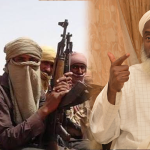
For more than a decade, militants from Boko Haram, splinter factions of the Islamic State West Africa Province (ISWAP), and armed Fulani militia groups have carried out deadly attacks across Nigeria’s Middle Belt and northern states. Monitoring organisations, including Open Doors, consistently rank Nigeria among the most dangerous places in the world for Christians, reporting thousands of deaths annually.
Even before the congressional vote, the White House had adopted a hard line. On 31 October, the administration returned Nigeria to the U.S. list of “Countries of Particular Concern” for religious-freedom violations. It also froze over $1 billion in annual U.S. assistance and directed the Pentagon to prepare contingency options for “rapid and decisive” intervention.
Nigeria’s government reacted sharply, dismissing the congressional decision as “a regrettable overreach.” Officials in Abuja maintained that the unrest affects citizens of all faiths and insisted the crisis remains an internal matter.
While American evangelical leaders and human-rights advocates welcomed the vote as overdue, several African and European governments warned that unilateral U.S. military action risked destabilising West Africa.
President Trump is expected to sign the resolution within ten days, clearing the way for potential U.S. operations. Analysts anticipate targeted airstrikes and limited special-forces missions rather than a large troop deployment.