By Suleyman A. Ndanusa PhD OON
Every inauguration begins with the same ceremony: the oath, the flags, the solemn music, the promise that a new chapter is opening. But on 29 May 2027, the country will be listening for something more than the familiar language of renewal. It will want to know what the new president understands about the country he is receiving and what he intends to do with it.
Four years earlier, on the same day, President Tinubu gave his first address with a sentence that Nigerians have not forgotten: “Fuel subsidy is gone.” Whatever one’s view of the decision, the words were unmistakable. They announced a break with the past and were followed by a promise that the resources released would be redirected towards infrastructure, education, healthcare and jobs.
But the speech of 2027 cannot simply borrow the drama of that moment. The country has lived with the decision and its consequences. The next president will inherit not only the policies of the past four years, but the public’s judgment of them. And the words spoken on inauguration day will depend, in part, on who is standing at the lectern.
If the incumbent is re-elected, he will not be introducing himself to Nigerians. He will be returning to them with a record to defend, difficulties to acknowledge and a fresh mandate to use. His opening should sound less like a victory lap than an honest reckoning.
“My fellow Nigerians,” he might say, “four years ago I asked you to accept difficult change because I believed the country could not continue as before. Many families have carried a heavy share of that adjustment. I will not ask you to forget the hardship, or to judge us by promises alone. You have renewed our mandate. We must now show more clearly what has worked, correct what has not, and deliver what remains unfinished.”
That would be the language of a second term: not everything is complete, not every promise has been kept, and the mandate is not permission to carry on without explanation. The incumbent should tell Nigerians what the reforms have achieved, where their benefits have fallen short, and how government will make the next four years feel different in people’s homes and businesses.
If an opposition candidate wins, the speech must begin elsewhere. The new president will inherit a country he may have criticised during the campaign, but criticism alone will not govern it. The first duty will be to take charge without pretending that every policy, contract and institution can be swept away with the outgoing administration.
“My fellow Nigerians,” the new president might say, “you have chosen a new government, but you have not given us a new country. We inherit its difficulties and its unfinished work. We will examine the commitments made in your name, preserve what serves the national interest, and change what does not. Our review will establish the facts, not provide an excuse for delay or a weapon against our opponents.”
That would be the language of a responsible transition. The new president should promise a clear account of the country’s financial position, outstanding obligations and major commitments. But an audit must not become a permanent alibi, or a political search for villains. Its purpose should be to establish what the government can afford, what it must complete, and what needs to change.
The two speeches would begin differently. One president would answer for the record; the other would explain how he intends to examine it. But after those first paragraphs, both would face the same question: how will government itself change?
Nigeria has discussed the size and cost of government for years. The Oronsaye report has outlived several promises of reform, while the argument over duplicated agencies and overlapping responsibilities continues. Closing institutions simply to announce a smaller government would be easy to dramatise and hard to justify. The serious work is to decide what government needs to do, which institution should do it, and whether citizens are receiving a service worth its cost.
The president should be prepared to talk about that work plainly. Which functions will be combined? Which agencies will be strengthened? What will happen to political appointments and the offices built around them? And how will the public know that savings have gone into better services rather than simply disappeared into another line of expenditure? A smaller government is not automatically a better one; the point is to make the state more capable and more accountable.
That same standard should apply to corruption. A new president can promise to fight it, but Nigerians have heard the promise before. The more useful pledge is to make public money easier to follow: from the budget, to the contract, to the project site, to the finished work. Publish the costs. Show who received the contracts and what was delivered. Release audits while they can still lead to consequences. Apply the law without asking whether the person under investigation belongs to the government or the opposition.
The economy, too, will demand a more human kind of address. Growth may be improving, but growth that does not create enough productive jobs or reduce poverty will remain a distant statistic to many households. The next president will have to speak to the farmer who fears for his safety, the business owner who cannot rely on power, the young person searching for work and the parent deciding which bill can wait.
No inauguration speech can make food cheaper by evening or bring electricity to every workshop by morning. But it can show that the leader understands what stands between Nigerians and a more secure life and commit the government to removing those obstacles. That means making production easier, services more dependable and support more timely for families under pressure. It also means working with state governments, whose larger resources must translate into visible improvements in roads, schools, clinics and water, not only fuller accounts.
The president should resist the temptation to promise everything. A long catalogue of projects can sound ambitious while making no one responsible for delivery. A few clear national priorities, named institutions and regular public reports would give Nigerians something more useful: a way to judge whether the government is doing what it said.
So, on 29 May, the incumbent might say, “I return to you with a record I must answer for.” An opposition president might say, “I arrive with work to do and facts to establish.” Their first sentences would differ, as their mandates do. But both should be able to make the same final promise: “You will know what we spend, what we deliver and where we have fallen short.”
The country does not need another magic phrase. It needs a president who can explain what will change in government, how public money will be protected, and when Nigerians can expect to see the results. The ceremony will last a day. The test of the speech will begin the morning after.
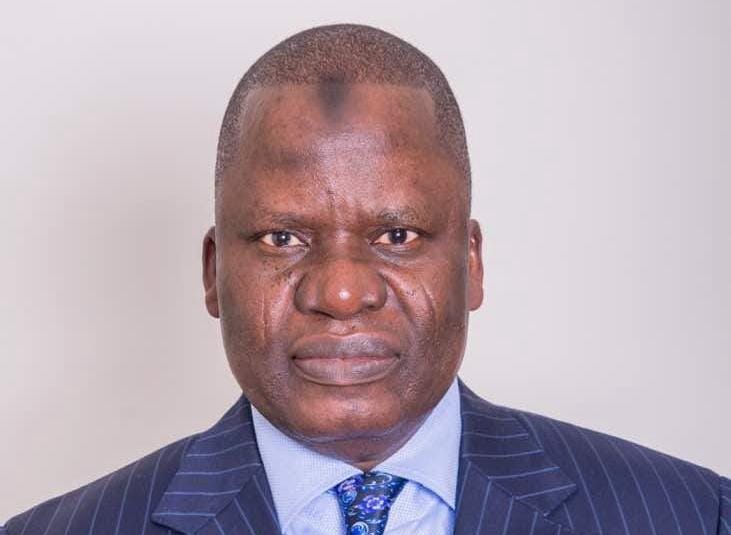
Suleyman A. Ndanusa, PhD, OON, is an economist, lawyer, strategic studies scholar, and public policy thinker and practitioner with extensive experience in financial markets, regulation, governance, national Security and development.