


By Ebenezer Mabinuola
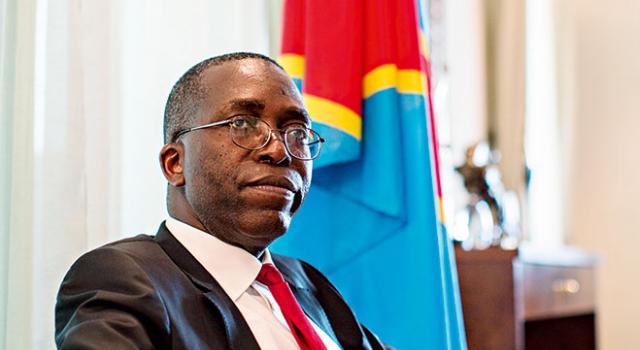
In a landmark anti-corruption ruling, the Democratic Republic of Congo’s Constitutional Court has sentenced former Prime Minister Augustin Matata Ponyo to 10 years of hard labour for the embezzlement of $285 million tied to the failed Bukangalonzo Agro-Industrial Park. The ambitious project, once touted as a solution to food insecurity and rural job creation, collapsed amid allegations of massive fund mismanagement.
Alongside Matata, the court handed 5-year sentences to Deogratias Mutombo, former Central Bank Governor, and Christo Grobler, a South African businessman and CEO of Africom Commodities.
Matata, who recently founded his own political party and had declared intentions to run against President Félix Tshisekedi, denounced the ruling as politically driven, claiming it was aimed at silencing opposition. His legal team argued that he was protected by parliamentary immunity, but the court ruled it did not apply retroactively, since the proceedings began before his election to parliament.
The decision has triggered sharp political backlash, with National Assembly Speaker Vital Kamerhe condemning it as a violation of constitutional norms and calling for urgent dialogue between the branches of government.
While civil society groups cautiously welcome the verdict as a rare stand against elite impunity, others warn it may reflect deeper political maneuvering. The case highlights persistent institutional tensions in the DRC and raises critical questions about the balance between justice and politics in a country where corruption remains deeply entrenched.