By Ebenezer Mabinuola
A tragic road accident that claimed the lives of 22 young athletes returning from the National Sports Festival in Ogun State has sparked nationwide outrage, with the Kano State Government’s response drawing sharp criticism from grieving citizens and observers alike.
The athletes, representing Kano State, were on their way home from the 22nd National Sports Festival when their bus, a Toyota Coaster with registration number KN041 A17, crashed near Dakatsalle Bridge in Kura Local Government Area. Preliminary investigations by the Federal Road Safety Corps (FRSC) suggest that driver fatigue and excessive speed—likely exacerbated by an overnight journey – were key factors in the accident.
The victims were rushed to Nasarawa Specialist Hospital in Kano, but for many, it was too late. The tragedy has cast a pall over what had been a moment of sporting success for the state. The athletes had earned a total of 29 medals during the festival – an achievement that has now been tragically overshadowed.
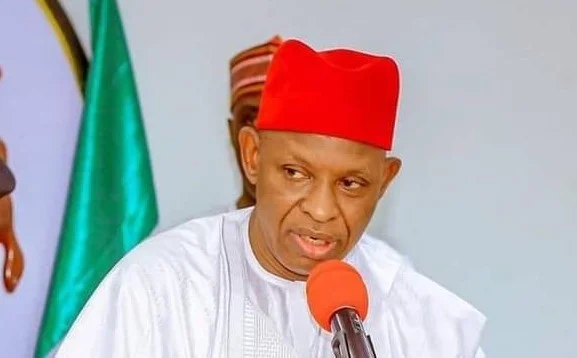
In response, Governor Abba Kabir Yusuf declared Monday, June 2, a day of mourning across the state. During a condolence visit, Deputy Governor Aminu Abdussalam Gwarzo announced that the government would provide ₦1 million (approximately $630 or £467) and food items to each bereaved family. While intended as a gesture of support, the announcement triggered an immediate and visceral backlash across social media and among members of the public, many of whom perceived the gesture as inadequate and insensitive.
On X (formerly Twitter), thousands of users condemned the government’s response. “Twenty-two young athletes died serving their state and country, and Kano State is offering their families ₦1 million each. That’s not condolence—it’s an insult dressed as compassion,” wrote one widely shared user, @AdaIgbo00.
Another user, @bin_gbada, questioned the decision to use road transport for such a long-distance journey, noting that the ₦22 million total payout could have been used to fly the team safely home. Others pointed out that the athletes had reportedly earned less than ₦80,000 for two weeks of competition, highlighting what they see as a broader pattern of exploitation and neglect.
“The government pays them peanuts to compete, risks their lives on deadly roads, and then offers crumbs to bury them. This is not governance—it’s cruelty,” posted @ernestojukwu. The outrage has not only focused on the amount offered as compensation but also on what many see as a chronic failure of leadership, infrastructure, and planning.
The accident has reignited public debate over Nigeria’s notoriously dangerous roads. Poor maintenance, inadequate regulation, and the widespread use of overloaded or poorly maintained vehicles contribute to frequent, often fatal accidents. As @kelechi_arinze lamented: “These children should have flown, but instead traveled over 1,000 kilometers on death traps we call roads.”
President Bola Ahmed Tinubu weighed in, describing the incident as a “national tragedy.” He called for a review of safety protocols for public transport, especially where athletes, students, and other vulnerable groups are concerned. His statement echoed growing calls for systemic reforms to prevent such incidents from becoming recurring headlines.
Critics argue that the tragedy is emblematic of a deeper malaise—a government culture that consistently underinvests in its youth while demanding their loyalty and labor. The deaths of these athletes, who were lauded as heroes just days before the accident, have become a symbol of the state’s failure to protect and value its citizens, even in victory.
What was intended as a compassionate gesture has instead exposed widespread disillusionment with political leadership and rekindled urgent conversations about national priorities, transparency, and accountability.
For many Nigerians, the question remains painfully simple: how many more lives must be lost before the system changes?