By Ebenezer Mabinuola
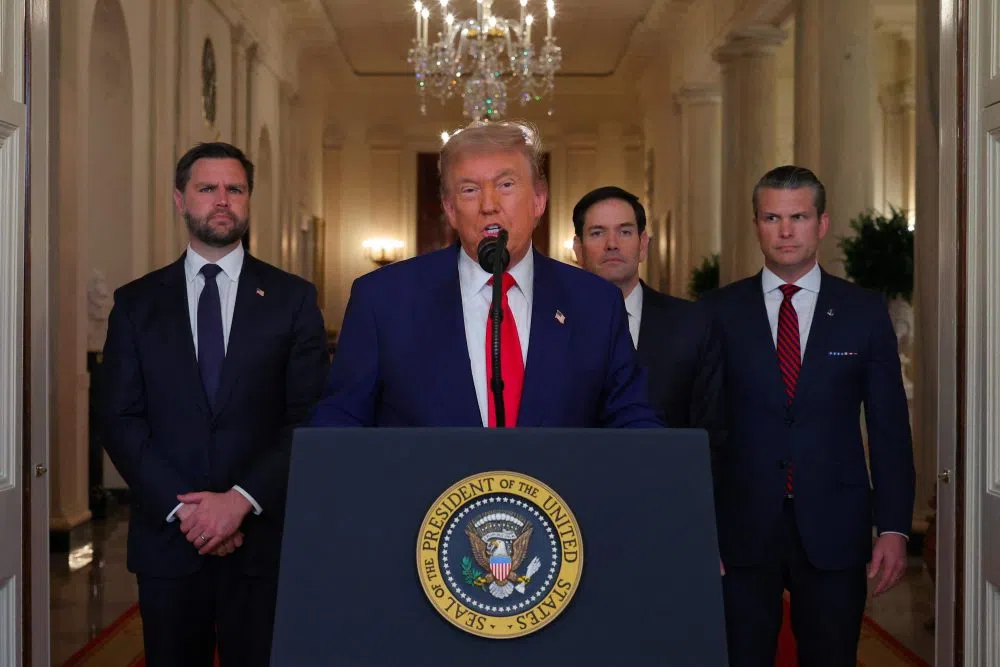
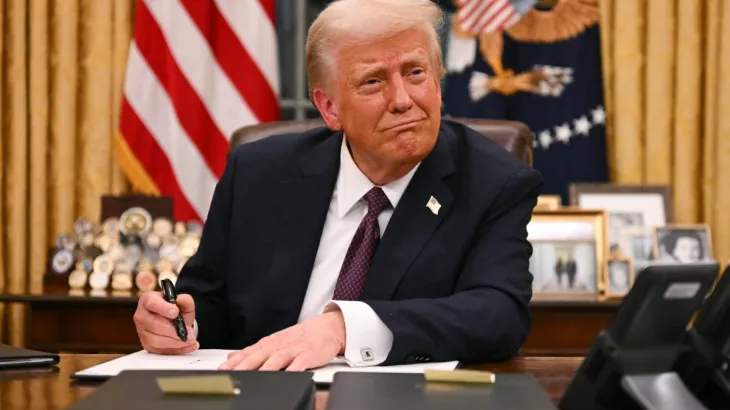
President Donald Trump unveiled a new residency initiative dubbed the “Trump Card” or “Gold Card” on Thursday, June 12,2025, offering wealthy foreign nationals a fast track route to U.S. permanent residency—and eventually citizenship—in exchange for a $5 million investment.
Trump earlier announced the program in February and launched an accompanying website today , TrumpCard.gov, inviting high-net-worth individuals and businesses to join a waitlist for this exclusive visa scheme.
- $5 million investment: A single lump sum payment grants residency and a pathway to citizenship—marketed as a “higher level of sophistication than a Green Card”.
- Bypassing EB 5 limits: It’s designed to replace the traditional EB 5 investor visa, which requires $800,000–$1.05 million and a job creation clause.
- Global access: Applications are open across eight regions—including Europe, Asia, Africa, and the Americas—and may include individuals or groups applying as businesses .
- Additional perks: Gold Card holders would not be liable for U.S. federal income tax on earnings from abroad—a significant shift.
Trump and U.S. Commerce Secretary Howard Lutnick argue the initiative will draw wealthy investors, create jobs, and help address the national debt—Lutnick suggested that if 200,000 cards are sold, it could generate up to $1 trillion.
Trump stated on his social media platform, “Thousands have been calling… to ride a beautiful road in gaining access to the greatest country and market anywhere in the world,” adding that the “Trump Card is coming”.
Major questions remain about the legality of bypassing Congress—particularly whether such swift changes to immigration rules are possible without legislative approval .
Additionally, the proposal’s failure to specify job creation or due diligence requirements—normally key in investment-based immigration schemes—has stirred debate.
While promoted as an “official government” initiative, the launch site has earned criticism for its minimal design and lack of detailed transparency.
The $5 million Trump Card signals a dramatic pivot in U.S. immigration strategy—prioritizing deep-pocketed investors in exchange for residency privileges—though major legal and policy questions remain unresolved.