By Nchetachi Chukwuajah
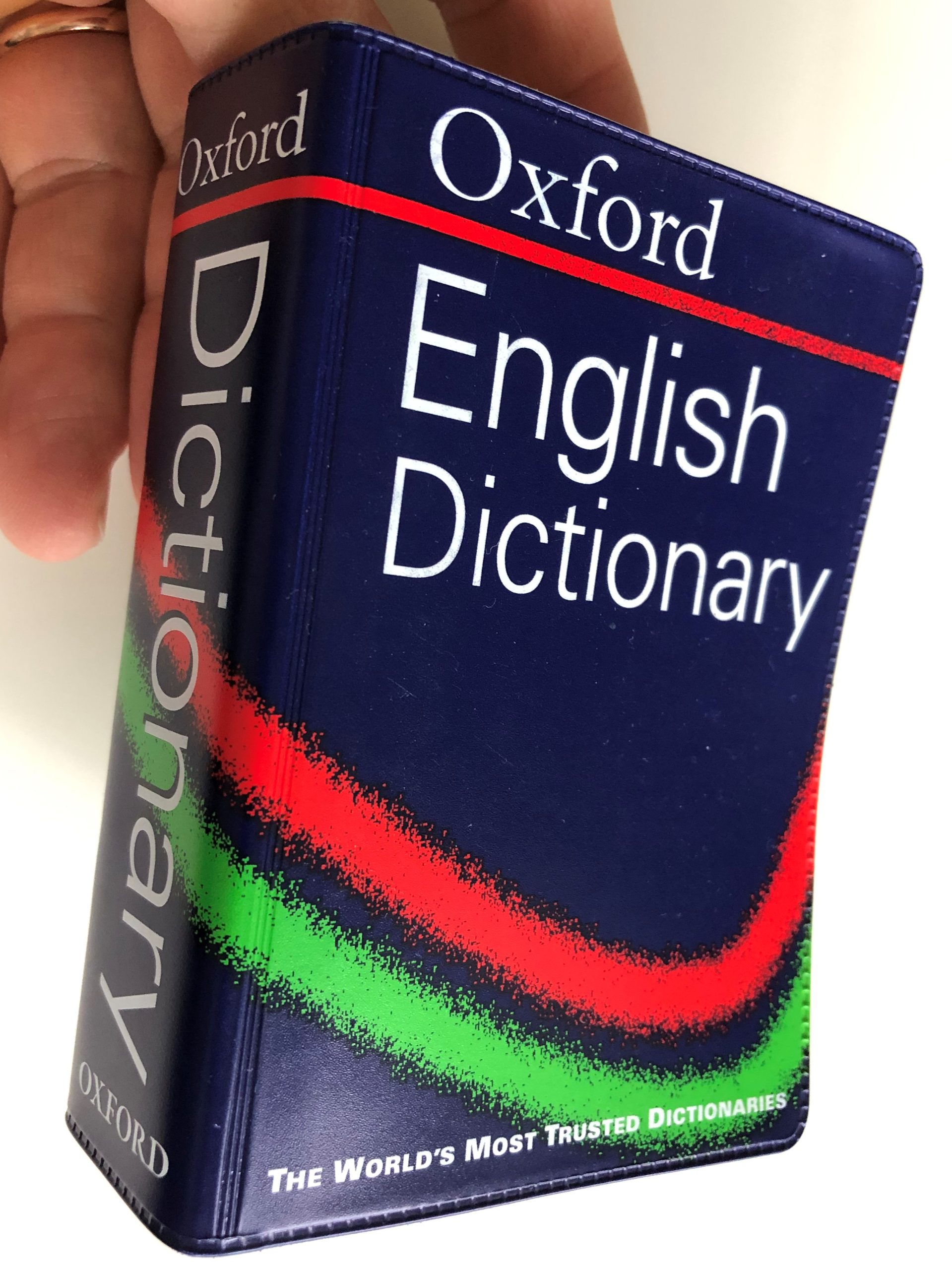
The Oxford English Dictionary has announced the inclusion of 24 Nigerian and West African words and expressions in its global lexicon.
This was contained in a statement released on Wednesday, January 7.
The dictionary confirmed the addition of 24 new words from Nigeria and Ghana, its two largest English-speaking countries, as well as from Gambia, Liberia, and Sierra Leone.
The statement revealed that the new entries include Abeg, Ghana Must Go, Biko, Akpanlogo, Light Soup, Mammy Market, and Moi Moi, among others, reflecting the growing influence of West African English on the global stage.
Many of these words serve multiple grammatical functions, including as nouns, verbs, and adverbs.
For instance, the word “Obroni” is both a noun, first recorded in 1918, and an adjective, commonly applied to foreigners, in 1975.
Also, “Bend down (and) select,” coined in 2006, refers to second-hand clothing and functions as both a noun and a verb.
The inclusion of the new West African words and expressions into the dictionary comes a year after Oxford Dictionary incorporated 20 Nigerian words into its lexicon.
It had, in January 2025, added a range of Nigerian terms to its global lexicon, including Japa, 419, agberoo, abi, area boy, yahoo boy, yahoo, Edo, Kanuri, jand, cross-carpet, kobo, Naija, suya, among others.
In 2020, the dictionary added 29 words, such as danfo, okada, next tomorrow, and mama put, into its lexicon, marking the first significant inclusion of Nigerian vocabulary since the OED’s establishment in 1884.
The dictionary recognised “Ghana Must Go” as a large, zippered bag made of durable plastic with a colourful check pattern, often used to carry personal belongings while travelling. It functions solely as a noun.
“Biko,” from Igbo, functions as an adverb equivalent to ‘please’ in 1997 and as an interjection to express a range of emotions, including surprise, exasperation, or disbelief in 2009.
“Mammy market” refers to a market typically run by women, initially found in Nigerian military barracks but later also in youth service camps and educational institutions.
“Moi moi,” derived from the Yoruba language in 1993, is a dish made from ground beans mixed with peppers, onions, dried crayfish, and seasonings, then steamed or boiled and often garnished with sliced boiled eggs, shredded chicken, or other toppings.
“Poda-poda” refers to a van or minibus carrying passengers for a fare in Sierra Leone’s informal transport system.
The word “poda” in Krio means a small amount of money and is itself borrowed from the English word powder.
The list of newly added words includes: Abeg, Abrokyire, Adowa, Amala, Ampesi, Articulator, Benachin, Bend down (and) select, Biko, Domoda, Dumboy, and Ghana Must Go.
Others are: Kpanlogo, Light soup, Mammy market, Moi moi, Nawetan, Nyash, Obroni, Poda-poda, Swallow, Talk less, Yassa, and Hiplife.