


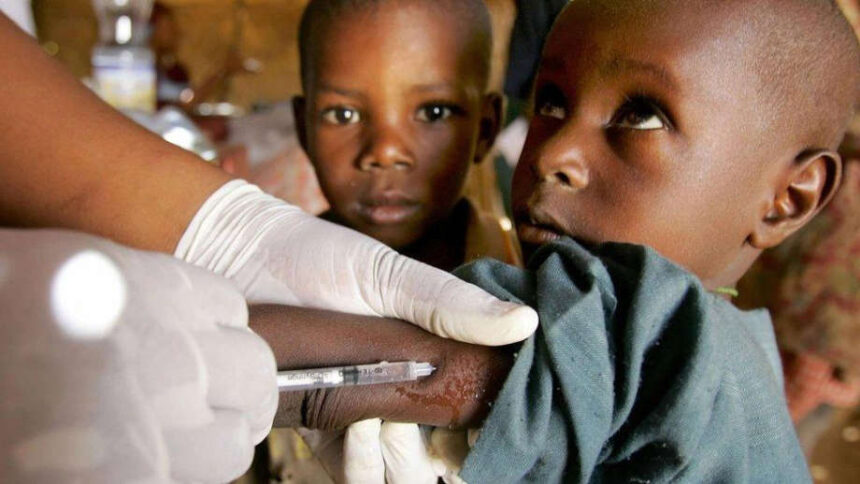
Sokoto State is grappling with a deadly outbreak of cerebrospinal meningitis (CSM), with authorities confirming the death of 33 children in recent weeks. The outbreak, which has affected multiple local government areas (LGAs), has prompted urgent public health interventions as the state battles a rising number of infections.
Cerebrospinal meningitis is a life-threatening infection that inflames the protective membranes surrounding the brain and spinal cord. It spreads rapidly, particularly in hot, dry conditions, and in overcrowded communities with poor ventilation—a common feature of northern Nigeria, which lies within Africa’s so-called “meningitis belt.”
The State Commissioner for Health, Faruk Abubakar, disclosed that 256 suspected cases have been reported across eight LGAs since the outbreak resurfaced a month ago. Sabon Birni recorded the highest number of cases at 63, followed closely by Wamakko with 60, Shagari with 51, Tambuwal with 33, and Dange Shuni with 26. Kebbe reported 16 cases, while Bodinga, Gada, and Kware recorded fewer than three each. Most deaths occurred before victims could reach medical facilities, with delayed treatment and misconceptions that the disease is spiritual blamed for the fatalities.
Symptoms of meningitis include sudden fever, severe headache, neck stiffness, vomiting, sensitivity to light, confusion, and convulsions. Without prompt treatment, the disease can cause death within hours or leave survivors with permanent complications, such as hearing loss, brain damage, or paralysis.
In response, the state government, in collaboration with Médecins Sans Frontières, has established isolation centers at General Hospitals in Dogo Daji and Tambuwal, with separate wards for male, female, and pediatric patients. Patients receive free medical care, meals, transport support, and sanitary supplies. While only 20 laboratory samples have tested positive, early treatment has proven effective, and no recent deaths have been recorded since interventions were intensified.
Health authorities continue to urge residents to seek immediate medical care at the first signs of symptoms and to disregard myths surrounding the illness. With the outbreak still active and new cases emerging daily, vigilance and rapid response remain critical to preventing further loss of life in the state.