The lackadaisical approach often adopted in handling issues relating to the security and overall wellbeing of citizens in Nigeria remains deeply troubling. Despite the prolonged challenges of corruption, insecurity, banditry, kidnapping, and insurgency that have plagued the nation for decades, successive governments have continued to treat the fight against corruption with disturbing levity. The consequences of this negligence are visible in the declining standard of living, the erosion of public trust in institutions, and the increasing desperation among citizens.
Since the return to democratic governance in 1999, Nigeria’s Electoral Act has undergone several amendments aimed at strengthening the electoral process and deepening democracy. Yet, one glaring omission persists: there is still no constitutional or electoral requirement compelling aspirants seeking public office to obtain clearance from anti-corruption agencies such as the Economic and Financial Crimes Commission before contesting elections.
This loophole has created fertile ground for individuals with questionable records to continue recycling themselves into positions of authority. Politicians facing allegations of corruption, abuse of office, and financial misconduct are still able to secure party tickets, contest elections, and occupy strategic offices in government without any serious scrutiny of their integrity. Rather than serving as custodians of public trust, many have turned public office into an avenue for personal enrichment while the masses suffer the consequences of poor governance.
The impact of this systemic failure is devastating. Public funds meant for healthcare, education, infrastructure, agriculture, and job creation are allegedly siphoned into private pockets. Meanwhile, millions of Nigerians are left grappling with unemployment, poverty, insecurity, and hopelessness. The frustration among young people has become so intense that many now risk their lives migrating abroad in search of greener pastures, often facing discrimination, exploitation, and persecution in foreign lands.
A recent example that has generated widespread public concern is the case involving former Kogi State governor, Yahaya Bello. Since leaving office, he has reportedly been engaged in a prolonged legal and political battle with the Economic and Financial Crimes Commission over allegations of financial misconduct running into billions of naira. While the courts remain the ultimate arbiters of guilt or innocence, many Nigerians have questioned the moral implications of allowing individuals facing such weighty allegations to continue seeking higher political offices without first clearing their names.
What is even more disturbing is the ease with which political parties continue to present such individuals as suitable candidates for elective positions. Reports suggesting that a person facing serious corruption allegations could emerge as a senatorial candidate for Kogi Central under the platform of the All Progressives Congress have raised serious ethical concerns among citizens. Many believe that there are numerous competent, credible, and accomplished individuals within the district who could offer quality representation without the baggage of corruption allegations.
This trend sends a dangerous message to society — that integrity no longer matters in public service and that political influence can overshadow accountability. It also weakens the morale of honest Nigerians who still believe in transparency, justice, and ethical leadership. When individuals accused of looting public resources are continually rewarded with political opportunities, the fight against corruption loses credibility.
Nigeria cannot genuinely progress if corruption continues to enjoy open or subtle institutional endorsement. The country urgently needs comprehensive electoral reforms that will strengthen accountability and restore public confidence in governance. One practical step would be to make it mandatory for all aspirants seeking elective office to undergo integrity screening and obtain clearance from relevant anti-corruption and security agencies before participating in elections.
Such a policy would not only discourage corrupt individuals from seeking office but would also compel political parties to take internal screening processes more seriously. Beyond legal reforms, Nigerians themselves must begin to place greater value on character, competence, and integrity rather than ethnic sentiment, religious affiliation, or financial inducement during elections.
The future of Nigeria depends largely on the quality of people entrusted with leadership. If the nation continues to tolerate and normalize corruption within its political system, development will remain elusive. But if accountability, transparency, and integrity are elevated above personal interests and political convenience, Nigeria can still reclaim its promise as a great and prosperous nation.
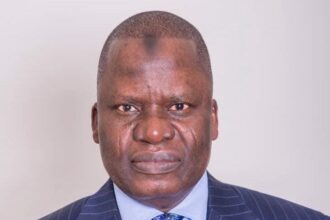
Written by Comrade Akido Agenro, Coordinator Democratic Orientation Movement, 45 Ike-Oluwa Street Iju-Ishaga Lagos. 09066999967