

By Nchetachi Chukwuajah
The World Health Organisation (WHO) says Nigeria faces a low risk of an Ebola outbreak compared to some neighbouring West African countries.
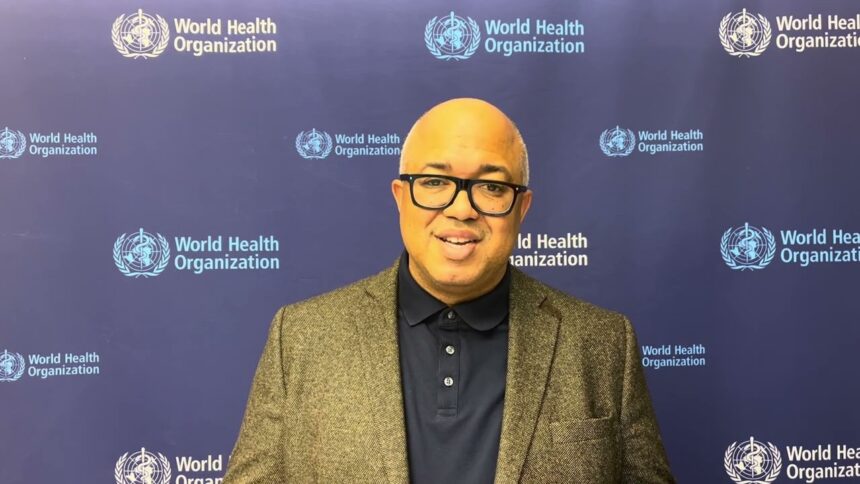
The Executive Director of the WHO Health Emergencies Programme, Dr Chikwe Ihekweazu, disclosed this during an appearance on Arise Television’s Morning Show on Tuesday, June 2.
Dr Ihekweazu also disclosed that health authorities have intensified efforts to contain the disease in affected regions.
According to him, Uganda remains the only country outside the Democratic Republic of Congo (DRC) to have recorded confirmed Ebola cases.
“There have been a few confirmed cases in Uganda. All of them are linked back to the cluster here in the DRC. All are secondary cases from the exported case to Uganda.
“Uganda is the only country with confirmed Ebola cases outside the Democratic Republic of Congo. Nigeria’s risk is low,” he said.
Ihekweazu, however, stressed that despite the relatively low risk to Nigeria, the outbreak remains a major international health concern requiring coordinated global action.
He said, “This Ebola outbreak is serious and requires an internationally coordinated response. It has already spread to other countries.”
The former Director-General of the Nigeria Centre for Disease Control and Prevention (NCDC) stated that the outbreak has persisted and reached a level that it should be classified as a Public Health Emergency of International Concern, a designation reserved for events posing significant cross-border public health risks.
He added that the current outbreak marks only the third time Ebola has met the threshold for such a declaration.
“It is only the ninth time in history that an outbreak has been declared a Public Health Emergency of International Concern.
“This is the third time an Ebola outbreak has met these criteria. So, you know, we’re in a difficult position. There are over 300 confirmed cases already. It’s spread out around three provinces in the DRC. A province in the DRC is about the size of a state in Nigeria. So the outbreak is really ahead of us right now,” he said.
The WHO official added that controlling the outbreak at its source remained the best way to protect other countries from potential spread.
“The hope for the rest of the world we live in now is controlling this outbreak here. We can protect every other country around the world if we focus our energies on controlling the outbreak itself. And that’s really what we’re focusing on at the moment,” he said.
There have been reports of renewed outbreaks of Ebola in many African countries, with the DR Congo battling a major epidemic of the highly contagious haemorrhagic fever that is suspected to have killed at least 246 people in the country and neighbouring Uganda, according to the African Union’s health agency, Africa CDC.
Ebola is a severe and often fatal viral disease that affects humans and other primates. The virus can spread through direct contact with the bodily fluids of infected persons or contaminated materials and has caused several deadly outbreaks across Africa.