

By Olatunbosun Obafemi
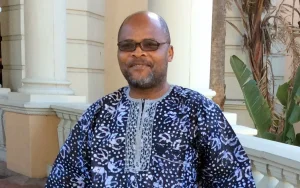
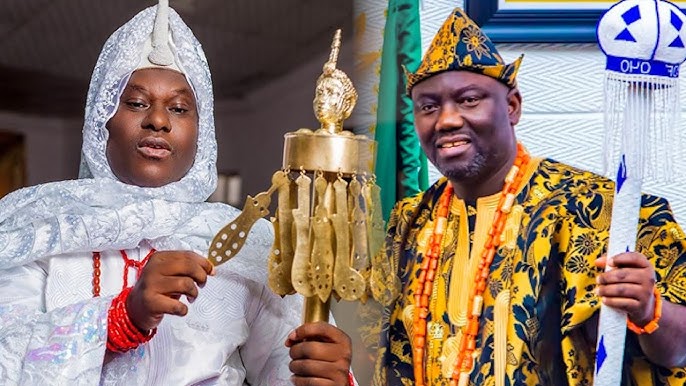
The recent altercation between the Alaafin of Oyo, Oba Abimbola Owoade, and the Ooni of Ife, Oba Enitan Ogunwusi, over a disputed chieftaincy title has drawn sharp criticism from Dr. Doyin Odebowale, a former Senior Special Assistant on Special Duties to the late Ondo State governor, Rotimi Akeredolu.
Speaking during an interview on Channels Television’s The Morning Brief on Wednesday, Odebowale faulted the Alaafin’s demand that the Ooni revoke a title conferred on Ibadan businessman Dotun Sanusi, describing the move as both legally baseless and a distraction.
The controversy erupted last week after the Ooni bestowed the title of Okanlomo of Yorubaland on Sanusi at a ceremony in Ibadan. The Alaafin swiftly issued a 48-hour ultimatum, insisting that the title was an affront to his authority and citing a Supreme Court judgment which, according to him, confirmed his exclusive right to confer honours that cover the whole of Yorubaland.
But Odebowale dismissed the claim, insisting that Nigeria’s constitutional and statutory framework places traditional rulers firmly within the authority of their local government areas. “With respect to most of these rulers now, there is a misapprehension of roles. They want to be addressed as kabiyesi, but they are not,” he said. “They are under the local government chairman in their respective localities. So this idea of somebody sitting in Oyo and legislating on what happens in Ile-Ife is a misnomer.”
The former aide argued that the Alaafin had likely been misled into believing there was a jurisdictional conflict between his office and that of the Ooni. “I don’t see any justification for this distraction,” he added, warning that disputes of this nature only expose the erosion of traditional values.
Odebowale traced the recurring tussles among Yoruba monarchs to what he called “permissive decadence.” According to him, many rulers no longer understand their functions, preferring instead to accumulate social and religious titles. “It is a very pathetic situation in the sense that most of those who parade themselves as traditional rulers do not even know their function. They are so happy when they are addressed as Oba, assistant pastor, or Alhaji. That is total abnegation of traditional values,” he lamented.
He further pointed to history, noting that the British colonial administration had long weakened the power of the great Yoruba empires. Through the introduction of chieftaincy laws, he explained, empires were “downgraded into stools,” restricting monarchs’ influence to their immediate domains. By the provisions of the Oyo State chieftaincy law, he noted, only four Obas are recognised as imperial majesties, yet each remains under the administrative authority of the local government chairman.
Meanwhile, the Ooni’s camp has shrugged off the Alaafin’s ultimatum. His spokesperson, Moses Olafare, described the demand as an “empty threat” unworthy of a formal response. “We cannot dignify the undignifiable with an official response. We leave the matter to the court of public opinion,” he said in a statement posted on Facebook.
The Alaafin’s media aide, Bode Durojaiye, later sought to clarify the monarch’s stance, arguing that the king was not seeking supremacy over the Ooni but only defending the sanctity of Yoruba tradition.
Still, observers note that the quarrel underlines the uneasy balance between cultural authority and constitutional law in Nigeria. While Yoruba history grants both monarchs immense symbolic weight, the legal order of today confines their power within boundaries they often appear unwilling to accept.