


By Nchetachi Chukwuajah
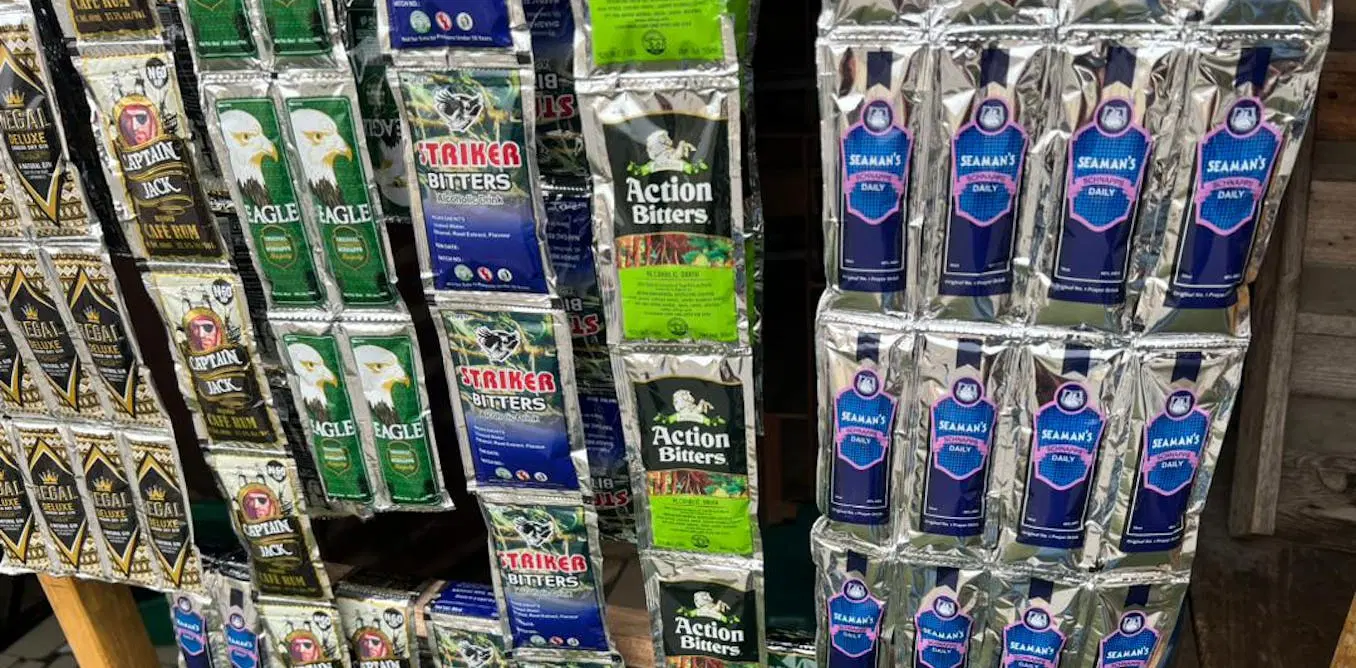
The National Agency for Food and Drug Administration and Control (NAFDAC) has insisted that the ban on alcohol in sachets and small bottles stands until the law changes.
Director-General of NAFDAC, Professor Mojisola Adeyeye, stated this on Friday, January 23, during an impromptu press briefing following a protest by alcohol manufacturers at NAFDAC’s Isolo office, Lagos.
Adeyeye stressed that there will be “no going back unless a legislative or legal directive allows otherwise.”
Recall that the protesters had arrived in white buses carrying placards at the NAFDAC office, urging the agency to reconsider its position.
The protesters further argued that the ban could lead to job losses and economic hardship.
The NAFDAC DG, who had earlier addressed leaders of the protesters, told journalists that the move to enforce the ban was not a punishment but a necessary public health intervention.
“Children are not small adults. Their physiological systems cannot handle alcohol, and early exposure significantly increases the risk of disease, addiction, and social harm. This is why we cannot compromise on enforcement,” she said.
Adeyeye explained that adults may choose to drink responsibly, but the small, highly concentrated sachets of alcohol are easily accessible to children and young people, adding that this has become a major driver of alcohol-related health and social problems, including road accidents, addiction, and crime.
She noted that the ban is in line with global health standards and Nigeria’s commitment under Sustainable Development Goal (SDG) 3.5, which seeks to reduce the harmful use of alcohol.
Adeyeye said the agency had given manufacturers five years and an additional one-year moratorium to adjust their production and business plans, and that the enforcement now is the culmination of that process.
The NAFDAC DG also addressed concerns about enforcement in markets and workplaces, saying the focus is to curb the manufacturing of the products.
She said, “We are considerate in our approach. We do not want to penalise market women or others who unknowingly sell these products.
“Our focus is on licensed producers who continue to manufacture these dangerous sachets. Once we stop production, the current volumes in circulation will gradually disappear.”
Adeyeye also highlighted the wider social consequences of early and easy access to alcohol and appealed to parents, religious bodies, and communities to support enforcement efforts and ensure children are not exposed to alcohol..