

By Olatunbosun Obafemi
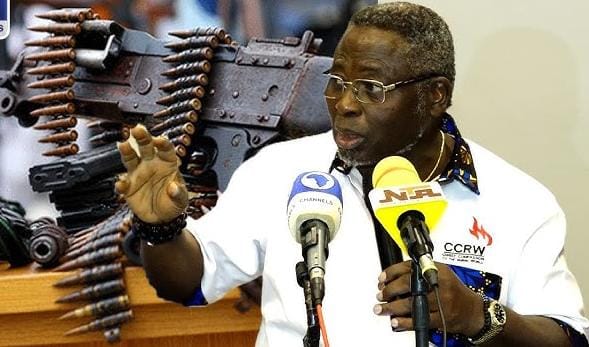
Pastor Matthew Ashimolowo has reignited a national debate over the scale and intent of religious violence in Nigeria, listing a series of killings and historical flashpoints that he says demand urgent and honest scrutiny.
Speaking against the backdrop of rising claims of “Christian genocide,” the UK-based Nigerian cleric stopped short of declaring that genocide is underway, but insisted the country must confront what he called a “snake with many heads” – a blend of terrorism, banditry, land-grabbing, and targeted attacks that continue to scar many communities.
Ashimolowo, who grew up in Zaria, recalled witnessing mobs drag victims from their homes during religious riots, describing scenes of chaos that unfolded even as soldiers tried to contain the violence. He referenced past crises – including the Maitatsine uprising and the Zangon-Kataf clashes – as evidence that religiously tinged violence has deep roots in Nigeria’s history.
More recently, he pointed to killings in Southern Kaduna, where entire families have been wiped out in night raids, and to the brutal murder of Sokoto student Deborah Samuel after a classroom dispute escalated into mob violence. He also cited the killing of Abuja evangelist Eunice Olawale, who was attacked while preaching at dawn. These cases, he argued, form part of a troubling pattern in which victims are targeted because they do not share the attackers’ faith.
Ashimolowo also echoed long-standing complaints about the state’s inability – or unwillingness – to protect at-risk communities. He referenced claims by the late Dr. Obadiah Mailafia that security forces often arrive only after attackers have retreated, alongside allegations of unidentified helicopters supplying weapons to armed groups. While he did not validate these claims outright, he said the persistence of such narratives reflects a deep public trust deficit.
Government officials have pushed back strongly. Attorney General Lateef Fagbemi insists there is “no persecution of any religion” in Nigeria, while Islamic groups accuse Christian leaders of amplifying fear for political ends. Still, Ashimolowo maintains that ignoring the warning signs risks normalizing violence.
Whether or not the situation meets the legal threshold for genocide, he said, “the suffering of communities cannot be denied, and the nation cannot afford indifference.”