


By Nchetachi Chukwuajah
The mass exit of academic and non-academic staff from Nigeria’s universities without corresponding recruitment to fill the resulting vacancies is of concern to the House of Representatives Committee on University Education.
The committee noted that the development poses a serious threat to the stability and quality of higher education in the country.
Chairman of the committee, Abubakar Fulata, stated this on Thursday, November 6, during an oversight visit to federal and state-owned universities in the South-East.
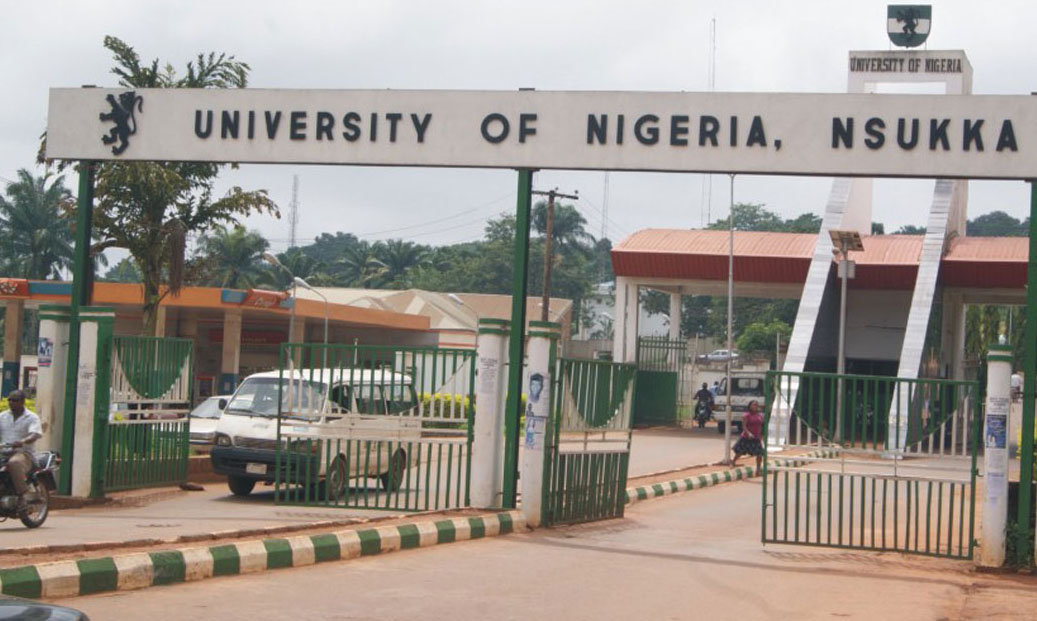
According to a statement made available to the media, Fulata cited the example of the University of Nigeria, Nsukka (UNN).
He stated that the institution’s authorities confirmed that over 3,000 teaching and non-teaching staff have exited the system since 2019 through retirement or death, yet no replacements have been made.
Fulata said: “It is abnormal and dangerous for the university system to continue losing lecturers and non-academic staff through retirement or other causes without making provisions for replacements.
“It is equally unhealthy for the system to have about 3,000 people leave and be granted approval to recruit only 500. This imbalance undermines academic continuity and institutional capacity.”
Fulata called on the Ministry of Education, university governing councils, and relevant agencies to urgently address the manpower gap, noting that sustained vacancies in academic and administrative positions would further weaken the quality of education in the country.
The lawmaker also urged universities to ensure full compliance with the federal character principles in recruitment and appointments, saying many institutions have failed to reflect national diversity in their staffing patterns.
He assured that the committee would continue to engage relevant stakeholders to strengthen university education and reverse the trend of talent loss in Nigeria’s academic system.
Nigeria’s tertiary education sector has grappled with structural challenges over the years, including poor funding, inadequate infrastructure, and low staff morale.
These challenges have resulted in the growing wave of brain drain, as lecturers leave for better opportunities abroad or in other sectors, citing poor working conditions, low remuneration, limited research support, and prolonged industrial disputes.
Recall that Impact Nigeria Newspaper earlier reported that lecturers working in federal universities are leaving in droves to state universities, polytechnics, and colleges of education because of poor salaries.
This was disclosed by Dr Kehinde Oyetimi, a lecturer with the University of Ibadan, who stated that, unlike what obtained in the past, the situation is being reversed, signalling a bad turn of events for federal universities.