

The accusations by parents against their children who they branded witches and in connivance with some persons, including clerics, and their serious implications on the lifestyles of those children, were the focus of an analysis by Reuters News Agency on Thursday, November 13.
Accused by her aunt at age 13 of being a witch responsible for her family’s misfortunes, Faith (not real name) ran away from her rural home in Akwa Ibom State after being deprived of food for days on end.
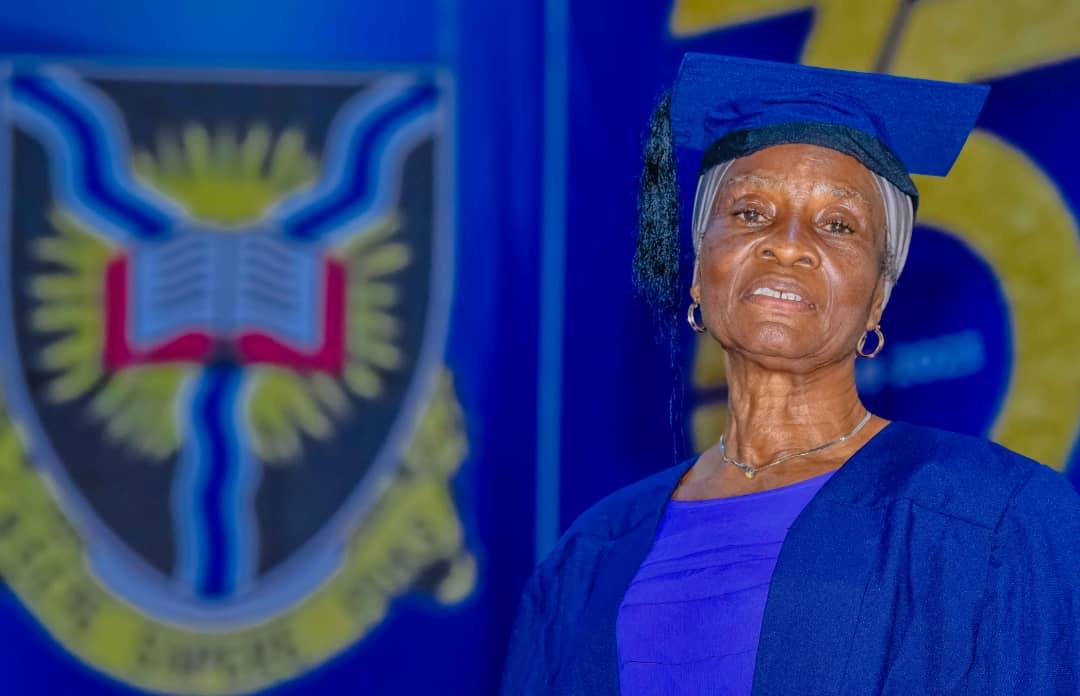
Now aged 19, she is studying Science Laboratory Technology at a polytechnic in the town of Eket, also in the state, and has ambitions to train as a medical doctor.
The turnaround in Faith’s fortunes came after a gruelling 20-kilometre walk with no food to sustain her, she made it to a shelter run by CRARN, an aid group dedicated to helping children accused of witchcraft.
CRARN, which stands for Child Rights and Rehabilitation Network, estimates that more than 30,000 Nigerian children have faced accusations of witchcraft over the past 20 years.
Even though the Nigerian government has passed laws at both the federal and state level to prevent witchcraft-related child abuse, activists say the practice is still widespread, especially in Akwa Ibom State.
“If a child is accused of witchcraft, they’re often beaten, abandoned and left to roam the streets. We rescue them and give them a chance to learn,” said Ima Itauma, a programme manager at CRARN.
The problem is most prevalent in the southern coastal states of Akwa Ibom and Cross River, which are majority Christian, but where traditional beliefs that attribute adversity to supernatural causes such as possession by malevolent spirits, are also widespread.
The phenomenon is also driven by the influence of evangelical pastors and witch doctors who offer to exorcise children possessed by Satan for a fee — a lucrative business for them.
Faith’s aunt accused her of witchcraft when her uncle’s motorcycle broke down and the family business failed.
“Even when I took first position in school, my aunt said it was my witchcraft people that gave it to me,” she said.
CRARN and similar groups such as Street Mentors Network and Way to the Nations say education is the means for children accused of being witches to build a better future. The organisations, which are partially self-funded, provide food and shelter for the children as well as schooling.
Faith is one of about 200 young people who were accused of witchcraft as children and helped by CRARN to reach higher education since 2003, the organisation says.
“When a child can read, write and think, they gain the power of choice,” said Anita Michael, founder of Street Mentors Network, which is currently caring for five children. All are attending school or learning vocational skills.
While accusations against children are made within families and during church services or exorcism ceremonies, few people who support such practices are willing to discuss them openly.
A pastor at a church in Eket where one of the rescued children had been branded a witch declined to comment. Another prominent local pastor, asked to comment in general on the issue, did not respond to calls or messages.
Leonardo Santos, co-founder of Way to the Nations, said that despite years of advocacy, progress was frustratingly slow and accusations kept coming.
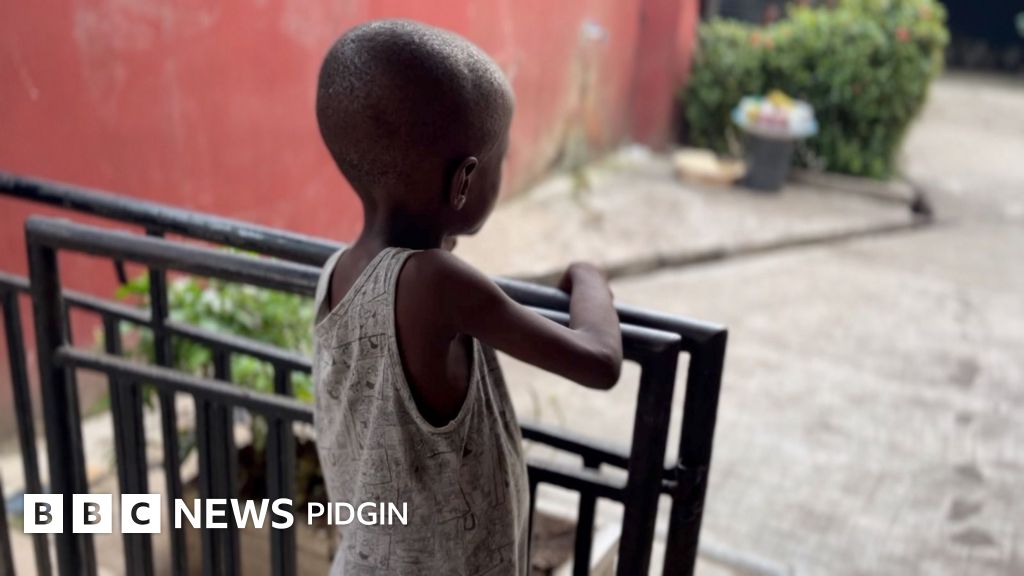
At the CRARN shelter, a 13-year-old student recounted how at the age of nine, his mother led him into the bush and attacked him with a machete, wounding his neck, shoulder and back, then covered him with grass and left him for dead. He had been accused of witchcraft by the pastor at a local church.
“I stayed in that bush for three days,” he said, crying as he spoke. “I couldn’t walk. I used my knees to crawl to the road.”
A passerby found him, gave him bread and took him to a hospital. After treatment, Friday was taken to a rehabilitation centre where he now lives and attends school.
He wants to become a lawyer “so I can sue my mum for this.”