

By Nchetachi Chukwuajah
Indigenous contractors are demanding that the Federal Government pay them an alleged over N3 trillion debt for contracts executed under the 2024 and 2025 budgets.
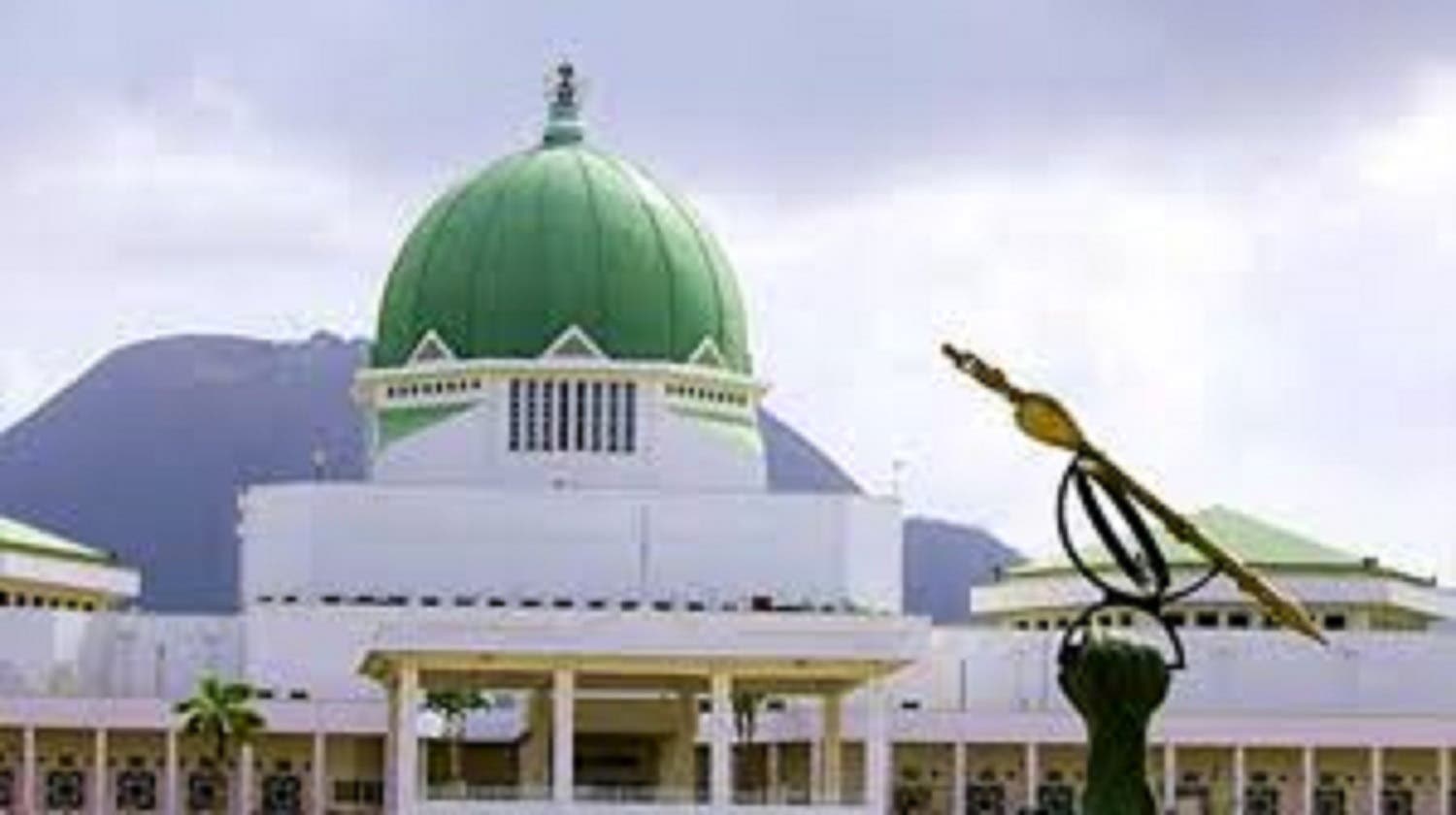
They made the demand while staging a protest at the National Assembly on Wednesday, November 5, which disrupted vehicular movement, plenary, and committee activities at the complex.
The demonstrators, comprising local contractors, lawyers, and civil society activists, barricaded the major entry and exit points of the complex, forcing lawmakers, staff, and visitors to seek alternative access routes.
The contractors threatened to sustain the blockade “for as long as it takes” until payment alerts hit their phones for government projects they claimed to have completed.
National President of the All Indigenous Contractors Association of Nigeria, Jackson Nwosu, said the group had no choice after meetings with top Federal Government officials to resolve the issue yielded no result.
Nwosu said: “We are here because the Federal Government refused to pay contractors, and we have brought the case to the parliament to address our grievances.
“These things are capital projects that have already been executed, and we have been pushing for payment since 2024. They owe our association alone over N3 trillion.”
“We have had meetings with the Federal Ministry of Finance, the Accountant General of the Federation and even met with the Deputy Speaker of the House of Representatives, Benjamin Kalu, sometime around September 4. He came in to intervene.
“But we have heard that the problem is from the presidency. Yesterday, a senator came to assure us that our matter will be looked into. So we will continue to block the entrance of the National Assembly until we get our alerts.”
Recall that the protesters blocked the entrance of the National Assembly on Tuesday, November 4, which disrupted access to the National Assembly and caused a delay of Tuesday’s plenary.
The House of Representatives, on Wednesday, went into a closed-door executive session immediately after convening, which is assumed to discuss issues related to the protest and its implications.
The private session lasted over two hours before lawmakers relocated to Room 028 for further deliberations.