

By Olatunbosun Obafemi
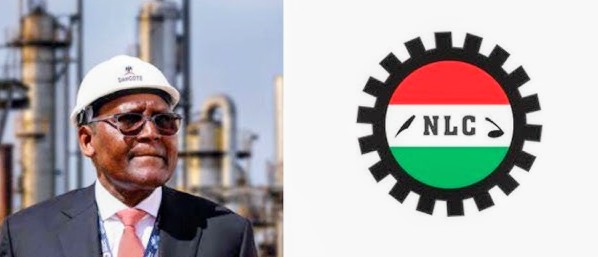
The Nigeria Labour Congress (NLC) on Monday placed its affiliates on full alert after a bitter dispute between the Dangote Refinery and the Petroleum and Natural Gas Senior Staff Association of Nigeria (PENGASSAN) escalated into mass protests and site blockades.
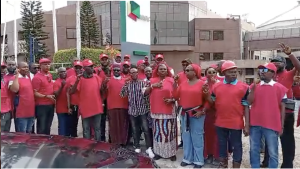
PENGASSAN accuses the refinery of sacking more than 800 workers for joining the association. In response, union members barricaded the premises of the Nigerian National Petroleum Company Limited (NNPCL) in Abuja as part of a nationwide directive from PENGASSAN’s national executive committee.
NLC President Joe Ajaero condemned the dismissals in strong terms, accusing the Dangote Group of flouting domestic labour laws, the Constitution and International Labour Organisation conventions. In a statement he described the conflict as “a symptom of a deeper sickness; a capitalist pathology of union-busting, worker enslavement, and gross impunity that defines the Group’s industrial relations strategy,” and ordered immediate mobilisation, the formation of action committees and preparations for a full-scale engagement with Dangote across the country.
But not all Nigerians have backed the unions’ approach. A number of citizens – from market traders and commuters to small business owners and independent labour watchers – told reporters they were worried the dispute and possible strike action would worsen the economic pains already felt by many households.
“If the refinery shuts down or production slows because of this fight, petrol prices will go up again and the poor suffer. We can’t have that,” said a Lagos roadside fuel vendor who asked not to be named. “Workers have rights, yes, but there must be a pragmatic way to talk, not barricades and threats.”
A commuter in Abuja said the timing was poor. “People are struggling to get to work and pay school fees. This looks like a power play between big bosses and unions; ordinary Nigerians are tired of being collateral damage,” she said.
Several small-business owners in the industrial belts expressed similar concerns. “We supply food to contractors at the refinery. If there’s no work, they cut orders; my staff will be hungry. I hope both sides come to the table fast,” a supplier in Lekki said.
Others criticised elements of the union campaign itself. “Unionisation should protect workers, but intimidation and blanket mobilisation risk hurting the very people unions claim to defend,” said an Abuja-based human-resources consultant. “There’s a need for proportional responses: targeted legal action, negotiation and public accountability rather than sweeping shutdowns.”
Civil-society voices urged calm and legal avenues. “If workers were unlawfully dismissed, the law is clear – due process and the National Industrial Court are available,” said a governance advocate. “Resorting quickly to disruptive action risks eroding public sympathy for legitimate labour demands.”
The NLC, however, insists that previous attempts at dialogue have failed and that stronger measures are necessary to compel the conglomerate to respect workers’ rights. The union is demanding unconditional respect for freedom of association, an end to alleged intimidation and compliance with labour institutions and laws. It has instructed affiliate unions to set up Action Mobilisation Committees and liaise with the NLC secretariat within 72 hours.
As the standoff intensifies, ordinary Nigerians face the prospect of immediate economic fallout while the central questions of labour rights, corporate power and the best route to resolution remain fiercely contested on the streets and in public debate.