

By Ebenezer Mabinuola
The U.S. Department of Homeland Security (DHS) has stripped Harvard University of its certification to host international students under the F-1 and J-1 visa programs, citing national security concerns and alleged noncompliance with federal information requests. The decision, announced Thursday, effectively bars Harvard from enrolling new international students and places the visa status of nearly 7,000 current students in jeopardy.
The action follows Harvard’s reported refusal to provide DHS with disciplinary and conduct records for certain international students after an April 16 request. Officials said the university was given a 72-hour window to comply before enforcement under the Student and Exchange Visitor Program (SEVP) was triggered.
In a sharply worded statement, DHS accused Harvard of failing to cooperate with federal oversight and raised concerns about “foreign influence” and campus protests. The department framed the move as part of broader efforts to address what it described as unlawful or disruptive campus activity.
Harvard has condemned the decision as “retaliatory and unlawful,” arguing it endangers academic freedom and international collaboration. The university indicated plans to challenge the action in court, asserting it had already taken steps to address campus safety issues.
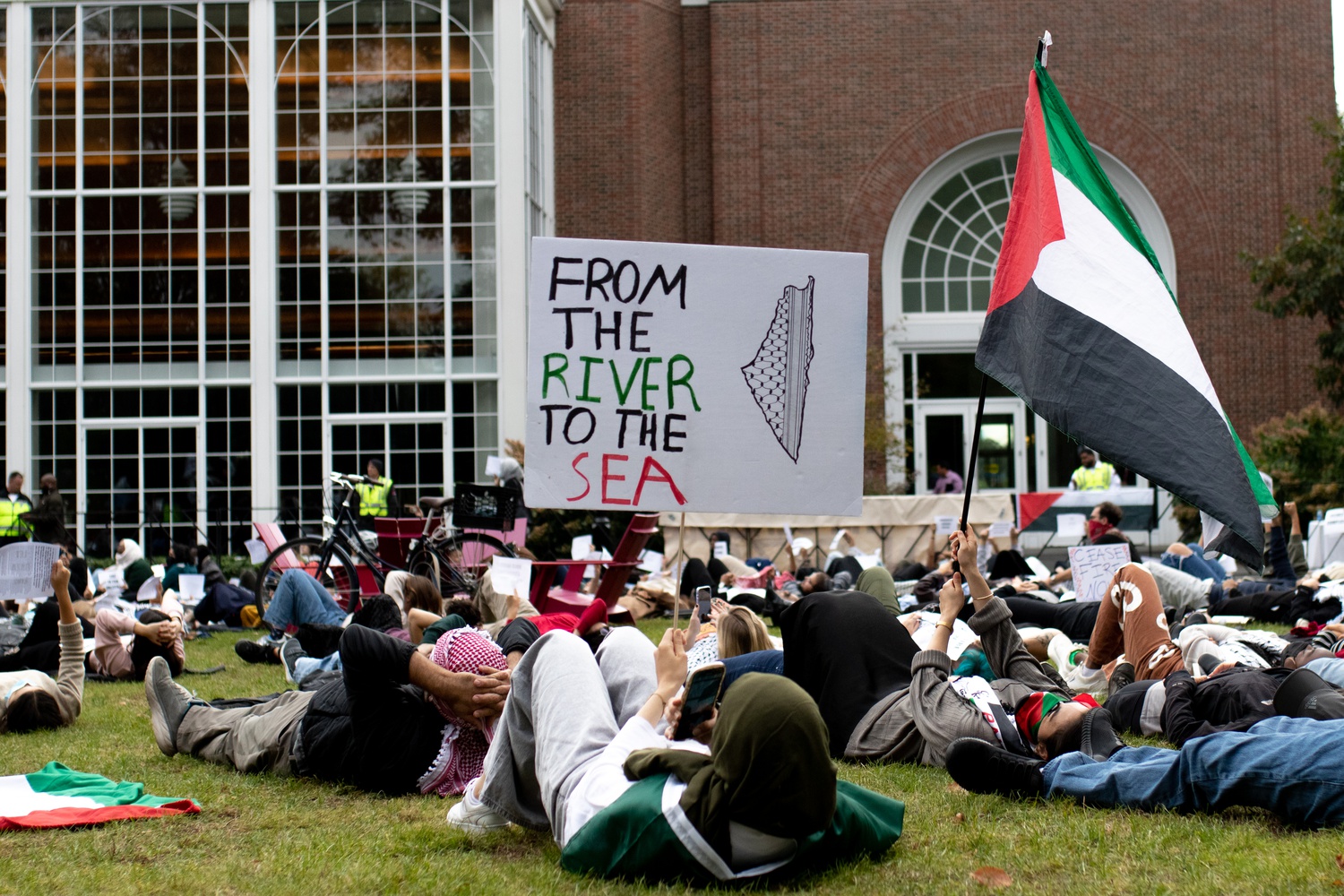
This latest clash reflects ongoing tensions between elite universities and the Trump administration, which has recently escalated scrutiny of institutions over perceived tolerance of antisemitism and pro-Palestinian activism. Legal experts expect a protracted court battle, and a federal judge in California has already issued a temporary injunction halting any immediate visa cancellations.
Education leaders and civil liberties advocates have expressed alarm at the precedent, warning it could damage the U.S.’s reputation as a destination for global scholarship. The American Council on Education called the move “deeply troubling” and cautioned that it could discourage international students from coming to the United States.
With legal filings expected in the coming days, the case is shaping up to be a significant test of university autonomy, immigration oversight, and the future of international education in America.