Nigeria’s consumer protection watchdog has vowed to compel airlines that inflated ticket prices during the 2025 Christmas travel rush to refund passengers who paid what regulators describe as excessive fares.
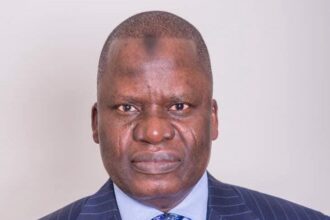
The Executive Vice Chairman and Chief Executive Officer of the Federal Competition and Consumer Protection Commission (FCCPC), Tunji Bello, disclosed this on Thursday while briefing State House correspondents at the Presidential Villa in Abuja.
Bello said the commission had concluded investigations into allegations of price-fixing involving about five or six airlines and would soon release a final report detailing penalties.
According to him, airline tickets that ordinarily sold for between N145,000 and N150,000 surged dramatically during the festive period, with some fares rising to between N400,000 and N670,000. The sudden spike triggered widespread complaints from travellers who accused airlines of exploiting high demand during the Christmas and New Year travel season.
“We investigated following complaints that airlines fixed prices during the Christmas period,” Bello said. “Tickets that were normally around N45,000 to N50,000 suddenly rose to between N400,000 and N670,000 during the festive season.”
He noted that preliminary findings suggest the airlines engaged in a form of coordinated price-setting, which contravenes the provisions of the Federal Competition and Consumer Protection Act.
“The preliminary report already found them wanting in that regard, and the final report will be issued very soon,” Bello said. “One of the options we are considering is requiring them to refund the excess charges to passengers who were exploited.”
Although he declined to name the airlines involved, Bello confirmed that at least five or six carriers were under investigation.
The probe follows an outcry from Nigerians who travelled during the holiday season and were forced to pay significantly higher fares due to limited seat availability and soaring demand. Many passengers took to social media to condemn the sudden surge in ticket prices, describing it as insensitive amid the country’s economic hardship.
Price-fixing occurs when competing companies collude to set prices rather than allowing market forces to determine them. Under Nigerian law, such practices are considered anti-competitive and punishable through fines and other regulatory sanctions.
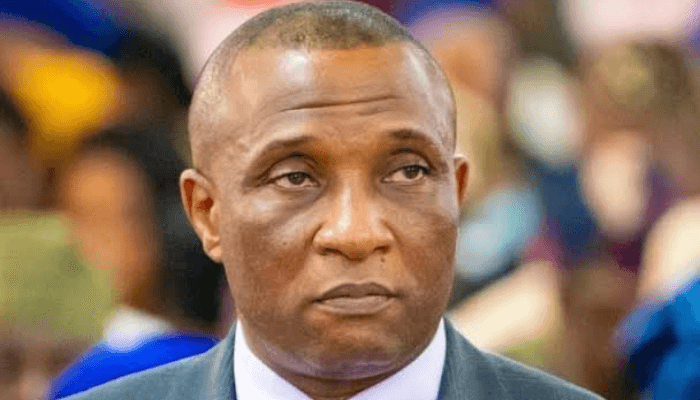
Beyond the aviation sector, the FCCPC also addressed concerns about electricity tariff classifications. The Commission’s Executive Commissioner of Operations, Louis Odion, said the agency does not regulate prices but ensures consumers are not exploited.
Odion noted that consumers on the Band A electricity tariff are entitled to at least 20 hours of daily power supply, while Band B customers should receive a minimum of 16 hours. He urged Nigerians to formally lodge complaints when these service levels are not met, stressing that the commission’s interventions rely on verifiable evidence.
Officials also revealed that since the operationalisation of the FCCPA in 2019, the commission has prosecuted more than 25 cases, with over 30 others currently pending before the Federal High Court, the FCCPC Tribunal, and the Court of Appeal.