

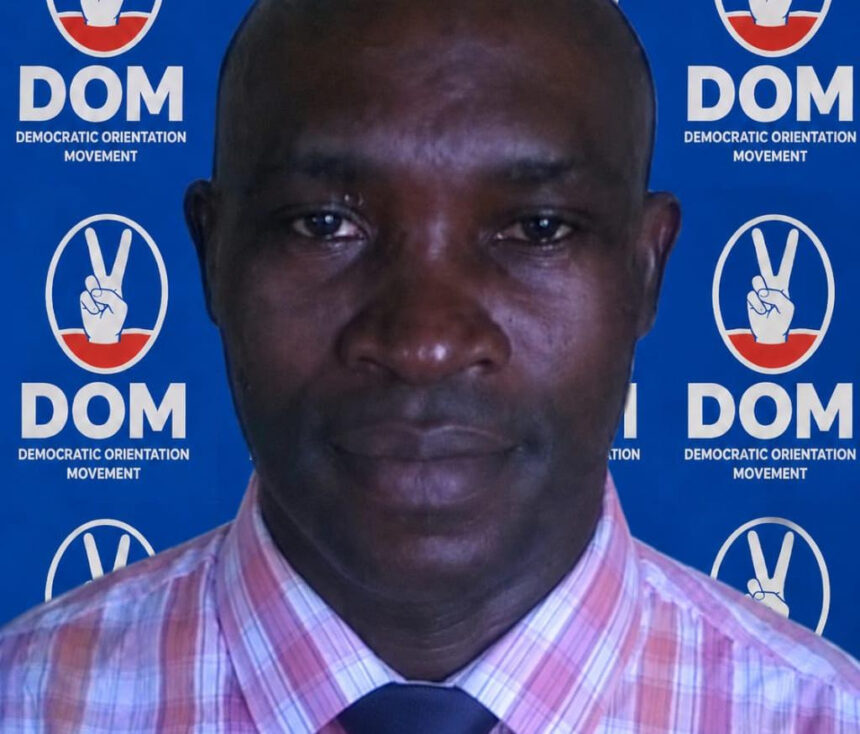
By Comrade Akido Agenro.
Politics in Nigeria has too often been driven not by ideology or service, but by desperation for power. In that desperation, propaganda, half-truths and character assassination have become common weapons. Opponents are demonized, reputations destroyed and the electorate manipulated — all in the name of politics.
The recent admission by former Ekiti State Governor, Kayode Fayemi, that the nationwide protests against fuel subsidy removal under President Goodluck Jonathan in 2012 were “all politics” is a reminder of how political narratives are often constructed for convenience rather than truth. Ironically, after the opposition All Progressives Congress came to power in 2015, fuel prices continued to rise until subsidy was eventually removed entirely under President Bola Ahmed Tinubu in 2023.
This development brings to mind one of the greatest victims of political propaganda in Nigeria’s history: Festus Okotie-Eboh.
Long before he ventured into politics, Okotie-Eboh was already a successful businessman, educationist and industrialist. He owned rubber-processing and plastic shoe factories, import and export businesses, as well as schools, including the famous Zik Academy in Warri named after Nnamdi Azikiwe. At a time when Nigeria depended heavily on imports, he championed local production and value addition.
As Minister of Finance from 1957 until the military coup of January 15, 1966, Okotie-Eboh played a major role in laying the foundations of Nigeria’s modern economy. He was instrumental in the establishment of the Central Bank of Nigeria, the Nigerian Stock Exchange and other financial institutions. He also helped introduce Nigeria’s national currency and modern tax administration.
Beyond government, he invested personal resources in public causes and political activities. His wealth and influence rivalled those of prominent businessmen of his era including Alhassan Dantata and Louis Ojukwu.
Yet, despite these achievements, Okotie-Eboh became the target of intense political attacks from rivals in the opposition Action Group led by Obafemi Awolowo. Corruption allegations were repeatedly levelled against him, creating a public image that painted him as the symbol of excess and misuse of office.
When the military struck in January 1966, Okotie-Eboh became one of the most prominent casualties. His assassination was celebrated in some quarters because years of political propaganda had already portrayed him as an enemy of the people.
However, history deserves honesty. Decades after his death, no conclusive evidence has emerged showing that Chief Festus Okotie-Eboh looted public funds. Instead, evidence of his investments, entrepreneurship and contributions to national development remain visible.
This does not mean he was a perfect man; no politician is. But it is important that history separates political propaganda from factual legacy. Nigeria must learn to judge its leaders fairly and resist the dangerous culture of destroying opponents through falsehood and sensationalism. As the nation continues its democratic journey after long years of military rule, the story of Chief Festus Okotie-Eboh remains a lesson on the destructive power of political hatred and the importance of historical truth.
Perhaps, in the final verdict of history, he will be remembered not as the villain political opponents portrayed, but as one of the pioneering architects of modern Nigeria’s economy and a proud son of the Niger Delta.
Comrade Akido Agenro writes from 45 Ike-Oluwa Street Iju-Ishaga, Lagos. Phone: 09066999967