

By Olatunbosun Obafemi
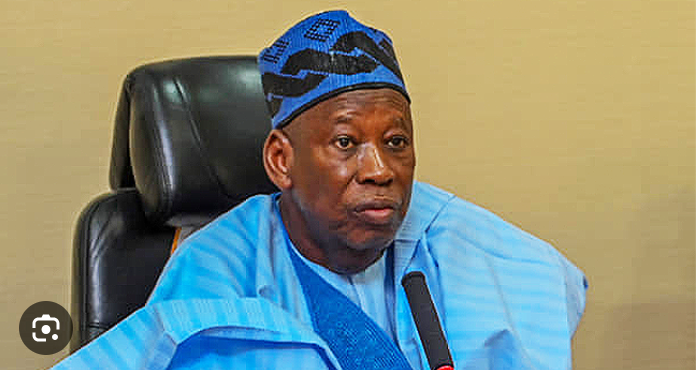
The sudden resignation of Abdullahi Umar Ganduje as National Chairman of the All Progressives Congress (APC) on June 27 has triggered shockwaves across Nigeria’s political landscape, marking the beginning of what many see as intense political repositioning ahead of the 2027 general elections.
Though Ganduje officially stepped down on health grounds, insiders point to mounting pressure from within the party and the presidency. His resignation followed a visit from a top security official to his Abuja residence in the early hours of Thursday.
Efforts by key party figures, including APC National Secretary Ajibola Basiru, to dissuade him reportedly failed. President Bola Ahmed Tinubu is said to have played a decisive role, offering Ganduje an ambassadorial posting as a soft landing.
Ganduje, who served as Kano State governor from 2015 to 2023, had faced sustained opposition within the party. His controversial emergence as chairman in August 2023 – bypassing the North Central region, which had laid claim to the position – was a source of internal friction. Legal battles and a suspended party membership in 2024 further weakened his standing.
A major driver of his exit, party insiders say, was the potential return of his political rival, Rabiu Musa Kwankwaso, to the APC. Kwankwaso allegedly demanded Ganduje’s removal as a precondition for rejoining the party, reigniting their long-standing feud. The reinstatement of Emir Muhammadu Sanusi II by Kano’s Governor Abba Yusuf in 2024, seen as a win for Kwankwaso’s camp, deepened the divide.
Following Ganduje’s resignation, Deputy National Chairman (North) Bukar Dalori was named acting chairman. The party is expected to hold a special national convention in November to elect a substantive replacement. Leading contenders hail from the North Central, as zoning politics once again take center stage in Nigeria’s ruling party.