

By Nchetachi Chukwuajah
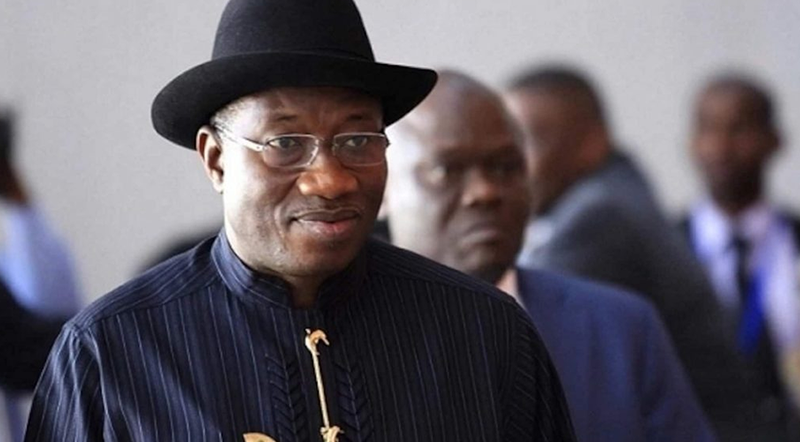
The Federal Government has confirmed that former President Goodluck Jonathan is safe and has left Guinea-Bissau following the coup that ousted the country’s government.
This was confirmed by the spokesperson for the Ministry of Foreign Affairs, Kimiebi Ebienfa, in an interview with journalists in Abuja on Thursday, November 27.
He said: “Former President Goodluck Ebele Jonathan is very safe and out of Guinea-Bissau. He left with a special flight with members of his delegation, including Mohamed Chambas.”
Jonathan led the West African Elders Forum Election Observation Mission to Guinea-Bissau and had been in the country monitoring last Sunday’s presidential and legislative elections before the military announced it had seized power on Wednesday, November 26.
According to AFP, military personnel announced the takeover by reading a statement at the army headquarters in the capital, Bissau.
Head of the presidential military office, General Denis N’Canha, announced that a command “composed of all branches of the armed forces was taking over the leadership of the country until further notice.”
Gunfire was heard earlier on Wednesday near the country’s presidential palace as men in military uniform took over the main road leading to the building.
President Umaro Sissoco Embaló confirmed that he had been arrested by senior military figures and was detained while inside his office at the presidential palace.
Also arrested were the armed forces’ chief of staff, General Biaguê Na Ntan; the deputy chief of staff, General Mamadou Touré; and the interior minister, Botché Candé.
The military claimed it uncovered a plot involving “national drug lords” and the importation of weapons “to alter the constitutional order.”
Later on Thursday, military authorities announced that the country’s borders had been reopened. “All borders are now open,” General Lansana Mansali, Inspector General of the Armed Forces, told AFP.
The authorities further appointed a new leader in the country on Thursday, November 27.
The military takeover has received widespread condemnation, especially from African leaders.
In a joint statement on Wednesday, former president of Mozambique and Head of the African Union Election Observation Mission, Filipe Nyusi; Head of the Economic Community of West African States (ECOWAS) Election Observation Mission, Issifu Kamara; and Jonathan condemned the coup, describing it as a direct attempt to disrupt Guinea-Bissau’s democratic process.
The leaders appealed for calm among residents and reaffirmed their commitment to supporting Guinea-Bissau “during this sensitive period,” stressing “the importance of preserving peace, stability, and the well-being of the Bissau-Guinean people.”
The Federal Government of Nigeria also condemned the coup, warning that it represents a serious threat to democracy and regional stability.