

By Ebenezer Mabinuola
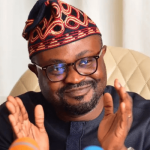
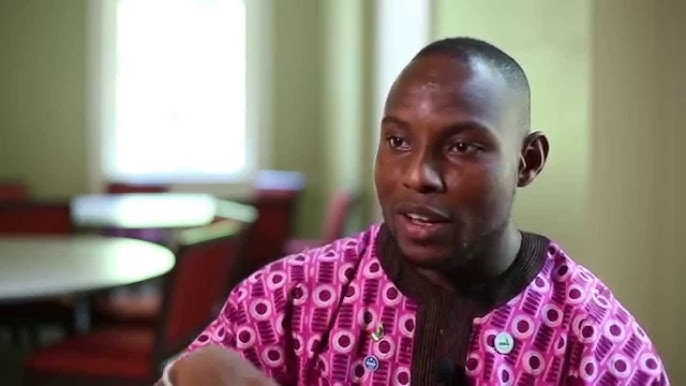
When Nigerian lawyer and tech policy expert Timi Olagunju announced his graduation from Harvard University on social media, his message was clear: the milestone wasn’t just a personal victory, but a critique of the system that nearly derailed him.
“Harvard postgrad, done and dusted! Praise God,” he wrote, before adding, “but here is an important story that can inspire you and someone you know!” What followed was a sobering account of resilience, injustice, and institutional failure in Nigeria’s education system.
Olagunju’s academic path began in 2009 with a degree from the University of Ibadan. After surviving student strikes and political backlash for union involvement, he was ready for Law School – until a government policy in Lagos abruptly upended his plans. During a market demolition under Governor Babatunde Fashola’s administration, the microfinance bank where his mother had saved his tuition went under. In a flash, three years of savings vanished.
Still, he pressed on, carving out a career in human rights, tech law, and later AI governance. In 2015, he was selected for the prestigious Mandela Washington Fellowship. And in 2017, instead of studying abroad, he chose to pursue a Master’s in Research and Public Policy at the University of Lagos – hoping to strengthen local institutions.
That decision brought frustration. Years after completing the program and submitting his thesis, Olagunju and many others from his cohort have yet to receive official transcripts or final results. “Many dreams were paused. PhD offers lost. Careers stalled,” he wrote.
When he applied to Harvard, he left the UNILAG degree off his application entirely. “What’s the point of claiming a program UNILAG can’t prove you did?” he said. He was accepted based solely on his undergraduate degree.
Now a Harvard alumnus, Olagunju is calling for urgent reform: “Why must we massage ‘ego’ before we get what we already earned? Why do youth suffer twice – first from poverty, then from a poor system?”
His story is both a beacon of hope and a harsh reminder of the price many Nigerians pay just to pursue an education. He made it. But, he warns, many others won’t – unless the system changes.