


By Ebenezer Mabinuola
A controversial bill that sought to make voting compulsory in Nigeria has been officially withdrawn following widespread criticism from civil society groups, legal experts, and members of the public.
The bill, introduced by Speaker of the House of Representatives Tajudeen Abbas and co-sponsored by Daniel Asama Ago, aimed to amend the 2022 Electoral Act to mandate voting for all registered voters. Under the proposed law, individuals who failed to vote in elections would face a fine of ₦100,000 (approximately $63) or up to six months in prison.
Proponents of the legislation argued it would address Nigeria’s declining voter participation, pointing to the historically low turnout in the 2023 presidential election, where only 27 percent of registered voters cast their ballots—the lowest since the return to democratic rule in 1999.
However, the proposal quickly sparked a fierce backlash after passing its second reading on May 15, 2025. Civil society organizations including the Civil Society Legislative Advocacy Centre (CISLAC) and Yiaga Africa condemned the bill as an infringement on citizens’ fundamental rights. Legal analysts also raised concerns over the feasibility of enforcing such a law across Nigeria’s vast and diverse population.
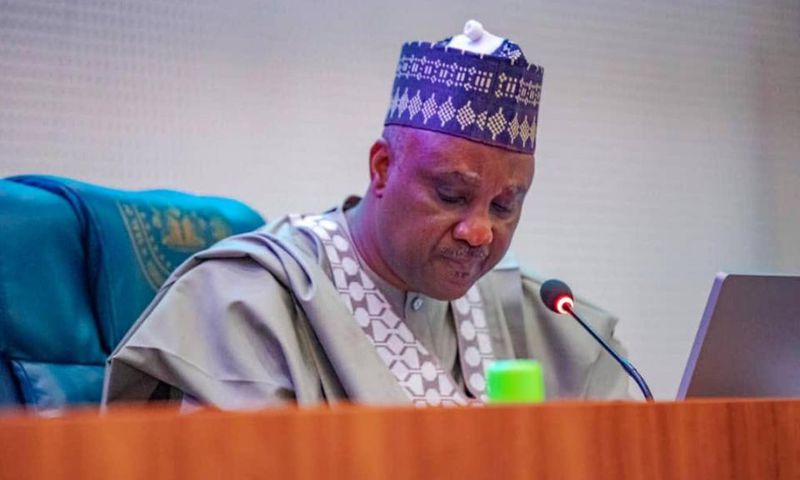
In response to the mounting criticism, Speaker Abbas announced the withdrawal of the bill, citing “extensive consultations” and feedback from stakeholders. He emphasized that the House would instead prioritize more effective and inclusive measures to encourage electoral participation.
“The goal is to strengthen democracy, not undermine it,” Abbas said, noting that lawmakers are now considering alternative strategies such as voter education campaigns, electoral process improvements, and reforms aimed at rebuilding public trust in Nigeria’s democratic institutions.
Critics of the bill warned that criminalizing voter apathy risked alienating citizens further and deepening disillusionment with the political process. Many argued that low voter turnout in Nigeria reflects systemic challenges—including public mistrust in elected officials and concerns over electoral transparency—rather than a lack of civic responsibility.
While the proposed penalties have been shelved, the debate has reignited national conversation around electoral reforms and the need for meaningful engagement with voters.
As Nigeria continues to confront the challenges of democratic consolidation, the rejection of mandatory voting underscores a broader truth: genuine civic participation cannot be compelled by law—it must be earned through trust, accountability, and inclusive governance.