

By Emem Nsini-Godwin
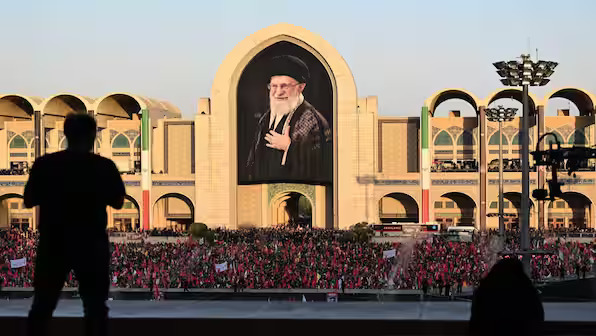
Hundreds of thousands of mourners gathered in the eastern Iranian city of Mashhad on Thursday as Iran prepared to bury its slain Supreme Leader, Ayatollah Ali Khamenei, at the revered Imam Reza shrine in his hometown. The burial marked the conclusion of a week-long series of funeral processions and mourning ceremonies held across Iran and neighbouring Iraq.
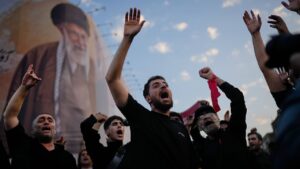
The funeral ceremonies began on July 3 with tributes from senior Iranian officials, foreign dignitaries and religious leaders in Tehran. Public processions continued through Tehran, the holy city of Qom, and Iraq’s Shia centres of Najaf and Karbala before concluding in Mashhad on Thursday. Iranian and Iraqi officials said millions of people participated in the ceremonies, with Iraq’s Popular Mobilisation Forces claiming more than 2.3 million mourners attended the Najaf procession alone.
Khamenei was killed alongside several members of his family in strikes on Tehran on February 28, an event that marked the beginning of the ongoing conflict involving Iran, the United States and Israel. Although a temporary pause in military operations had reportedly been expected to facilitate the funeral, hostilities resumed as Iran and the United States exchanged attacks for a second consecutive day.
In Mashhad, mourners waved Iranian flags, carried portraits of the late leader and chanted slogans condemning the United States. Security remained tight as thousands lined the streets leading to the Imam Reza shrine ahead of the burial ceremony.
Khamenei’s successor, Mojtaba Khamenei, did not appear publicly during the funeral. Iranian officials have said he sustained injuries in the strike that killed his father and has yet to make a public appearance since assuming the role of Supreme Leader.