By Olatunbosun Obafemi
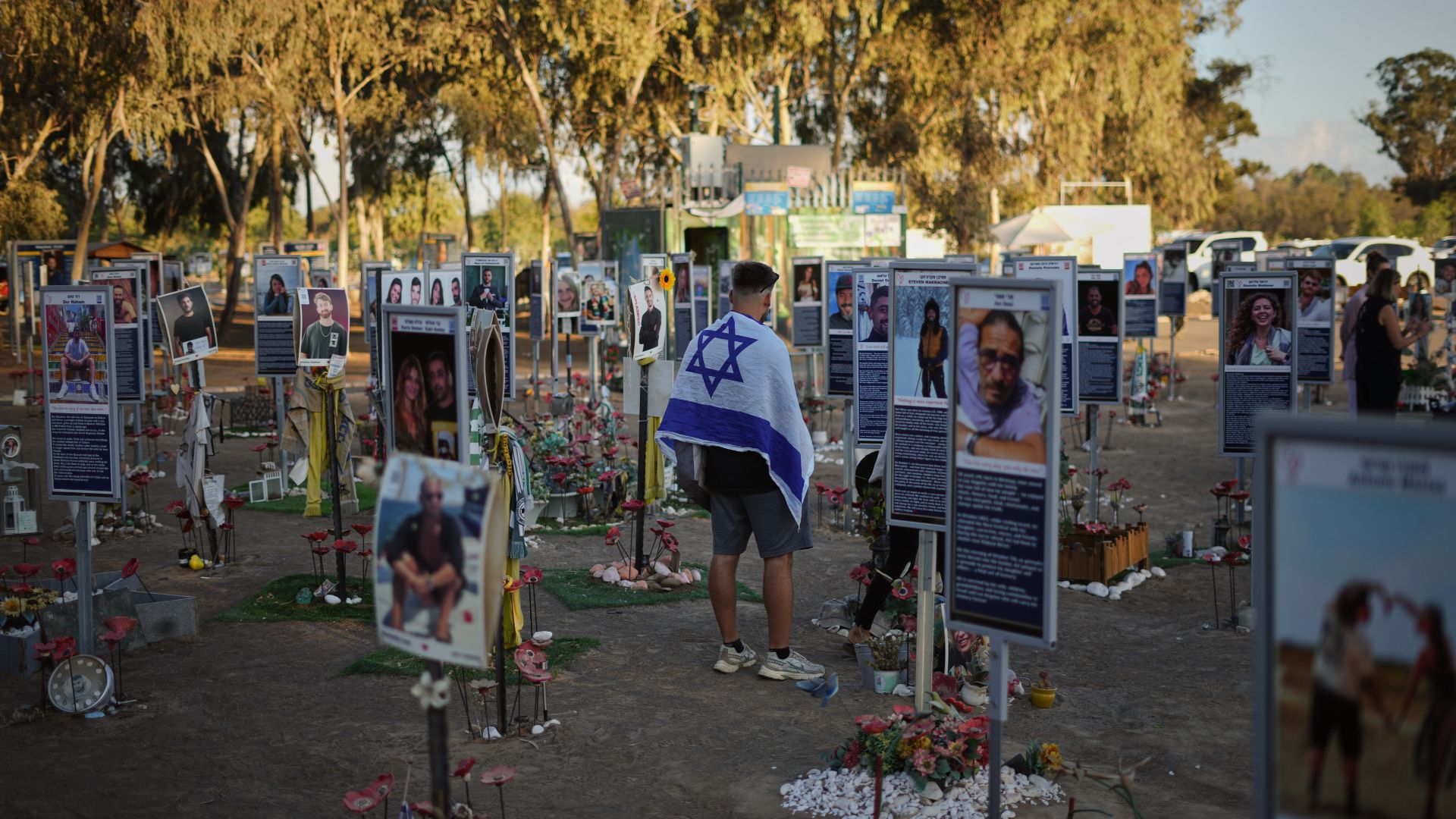
Israelis on Tuesday marked the second anniversary of the October 7 Hamas-led assault that left about 1,200 people dead, mostly civilians, and 251 taken hostage.
Commemorations were held in southern kibbutzim where victims were killed or kidnapped, while a major rally in Tel Aviv called for the release of hostages still held in Gaza.
As the memorials took place, diplomatic activity around the Gaza crisis intensified. U.S. President Donald Trump expressed optimism about a potential peace deal, saying, “There’s a possibility we could have peace in the Middle East, beyond just Gaza.”
A U.S. delegation led by envoy Steve Witkoff is expected in Cairo to join negotiations on a ceasefire and hostage exchange, Egyptian Foreign Minister Badr Abdelatty confirmed.
Hamas official Fawzi Barhoum said the group’s delegation is working to “overcome all obstacles” toward an agreement that meets the aspirations of Palestinians in Gaza.
Meanwhile, the humanitarian situation continues to deteriorate. The Integrated Food Security Phase Classification (IPC) has warned of a “man-made famine” in Gaza City, citing food shortages and collapsed health systems. The World Health Organization says one in five babies born in Gaza is now premature or underweight, as Israel reportedly denied permission to transfer incubators from an evacuated hospital.
Global responses have grown more forceful. Japan’s Foreign Minister Takeshi Iwaya warned Israel that actions undermining a two-state solution could prompt Tokyo to impose sanctions or recognise Palestinian statehood.
At the Vatican, Pope Leo announced his first international trip to Turkey and Lebanon in late November, where he will call for peace in the Middle East.
Meanwhile, Italy plans to submit a proposal to the United Nations for a worldwide Olympic ceasefire ahead of the 2026 Milano-Cortina Winter Games, reviving an ancient Greek tradition of halting wars during the competition.