By Desire Emmanuel with Agency Reports
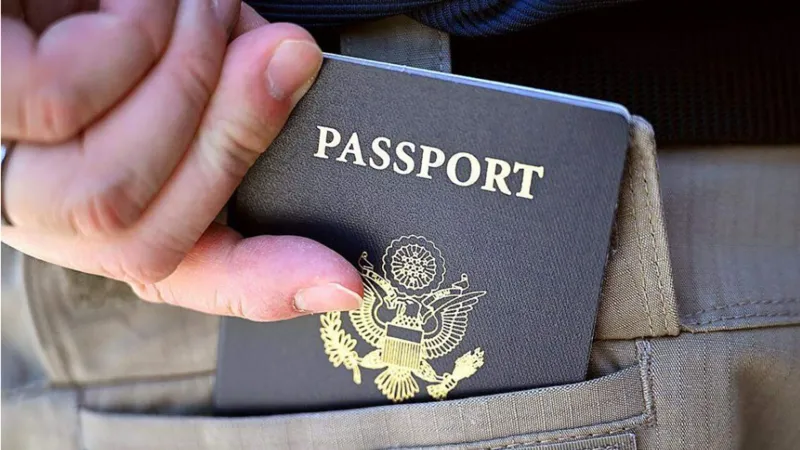
Mali and Burkina Faso on Wednesday, December 31, said they would bar US citizens from entering their countries in response to a similar move by the President Donald Trump administration, the British Broadcasting Corporation (BBC) reported
The two West African countries were recently placed under full entry restrictions under Trump’s expanded travel ban.
In separate statements, they said they would apply the same measures on US nationals.
Burkina Faso’s Foreign Affairs Minister, Karamoko Jean-Marie Traoré, said his government was acting on the “principle of reciprocity,” while Mali’s foreign ministry called for “mutual respect and sovereign equality.”
The latter said it regretted the move by the United States, adding that “such an important decision was made without any prior consultation.”
Mali and Burkina Faso’s decision comes days after neighbouring Niger Republic announced a similar travel ban on US citizens.
The three countries are ruled by military juntas which seized power in coups.
They have formed their own regional bloc, and have pivoted towards Russia after relations with other West African states and Western powers became strained.
Earlier this month, the White House said that full-entry restrictions would be imposed on people from the three countries, as well as South Sudan, Syria and Palestinian Authority passport holders.
The decision would come into effect on January 1, and was intended to “protect the security” of the US, it said.
The administration also moved Laos and Sierra Leone, which were previously subject to partial restrictions, to the full ban list, and put partial restrictions on 15 other countries, including Nigeria, Tanzania and Zimbabwe.
The White House said the restrictions would remain in place until affected countries show “credible improvements” in identity management, information-sharing and cooperation with US immigration authorities.
A number of exceptions apply and the ban will not affect lawful permanent residents, many existing visa holders, diplomats, or athletes travelling for major sporting events.
Officials said case-by-case waivers would also be available where travel is deemed to be in the national interest.