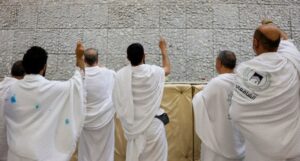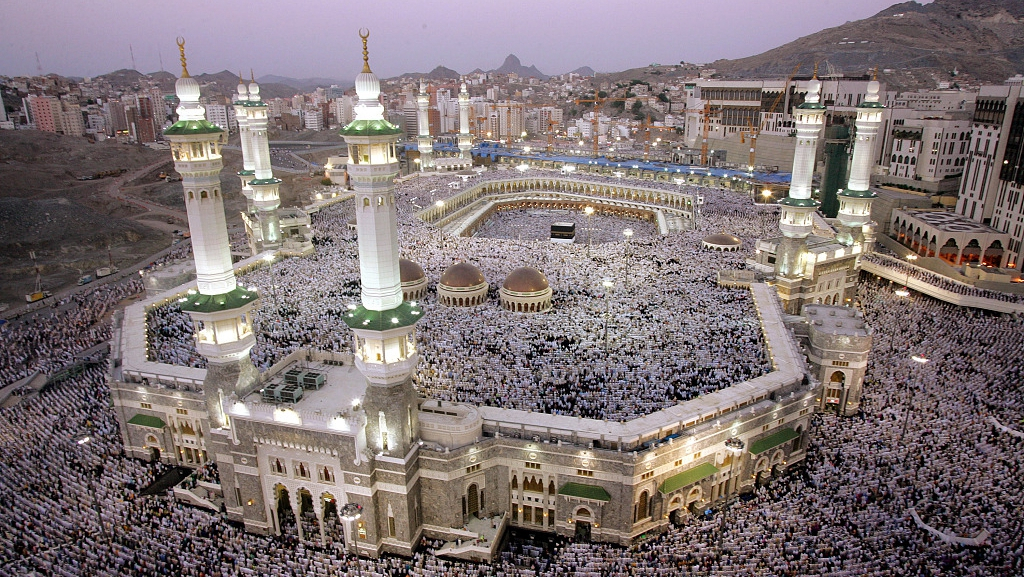


Millions of Muslim pilgrims on Wednesday performed the symbolic “stoning of the devil” ritual in Mina, near the holy city of Mecca, marking one of the final and most significant rites of the annual Hajj pilgrimage.
The ritual, which began at dawn, saw worshippers throw pebbles at towering concrete pillars representing Satan, reenacting Prophet Ibrahim’s rejection of the devil’s attempts to prevent him from obeying God’s command to sacrifice his son, Ishmael.
More than 1.7 million pilgrims are participating in this year’s Hajj, according to Saudi authorities.
The pilgrimage, one of Islam’s five pillars, is compulsory for every Muslim who is physically and financially capable of undertaking it at least once in a lifetime.
The spiritual exercise has once again unfolded amid regional tensions and security concerns linked to the ongoing conflict involving Iran, Israel and the United States, although a fragile ceasefire has reduced large-scale hostilities in recent weeks.
Pilgrims have also endured harsh weather conditions during the pilgrimage, with temperatures rising to about 45 degrees Celsius.
On Tuesday, worshippers gathered at Mount Arafat, where Prophet Muhammad is believed to have delivered his farewell sermon, spending hours in prayers and supplication despite the intense heat.
After sunset, the pilgrims moved to Muzdalifah, where they spent the night outdoors and gathered pebbles used for Wednesday’s stoning ritual.
Following the exercise in Mina, pilgrims are expected to return to Mecca to perform the farewell Tawaf, the final circumambulation around the Kaaba located inside the Grand Mosque.
The conclusion of the Hajj coincides with Eid al-Adha, the Islamic festival commemorating Prophet Ibrahim’s willingness to sacrifice his son in obedience to God before divine intervention replaced the sacrifice with a ram.
Across the Muslim world, the festival is traditionally observed with prayers, animal sacrifices and acts of charity, particularly the sharing of meat with the poor and vulnerable.