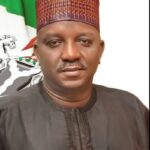



Senator Natasha Akpoti-Uduaghan, representing Kogi Central Senatorial District, has launched an initiative to plant 10,000 economic trees across communities in the district as part of efforts to promote environmental sustainability and address the effects of climate change.
The initiative, tagged “Growing Kogi Central; Building Our Future,” aims to combat climate change, restore degraded land, control soil erosion, improve biodiversity, strengthen food security, and create sustainable economic opportunities for residents.
In a statement issued on Monday, the senator said the project would involve planting economic tree species, including mango, guava, orange, moringa, neem, and other indigenous varieties valued for their environmental, nutritional, medicinal, and commercial benefits.
Speaking at the launch, Akpoti-Uduaghan described the programme as more than a tree-planting exercise, saying it represents a strategic investment in the future of Kogi Central and contributes to global efforts to combat climate change.
“Today, Kogi Central is joining the global movement for climate action. Every tree we plant is a symbol of hope, resilience, and our collective determination to leave behind a healthier environment and a stronger economy for future generations,” she said.
According to the lawmaker, the initiative aligns with the objectives of successive United Nations Climate Change Conferences, where governments and stakeholders commit to reducing the impact of climate change through sustainable environmental practices, ecosystem restoration, and increased carbon sequestration.
She noted that tree planting remains one of the most effective nature-based solutions to climate change, as it helps absorb carbon dioxide, restore ecosystems, protect biodiversity, and improve livelihoods.
Akpoti-Uduaghan explained that the decision to plant economic tree species was deliberate, given their dual benefits of environmental conservation and income generation through fruit production, medicinal uses, and other commercial activities.
“The United Nations has consistently encouraged nations and communities to embrace nature-based solutions to climate change. Through this initiative, we are domesticating those global commitments here in Kogi Central by translating international climate goals into tangible community development.
“Environmental sustainability and economic prosperity must go hand in hand. Our people should not have to choose between protecting the environment and earning a living. These trees will provide cleaner air, healthier communities, increased food production, additional household income, and lasting environmental protection,” she said.
The senator added that the project complements Nigeria’s commitments under international climate agreements by encouraging grassroots participation in environmental restoration.
She called on traditional rulers, community leaders, women, youth groups, schools, farmers, and civil society organisations to take ownership of the initiative by ensuring the trees are properly nurtured.
“Climate change is no longer a distant conversation taking place in international conference halls. Its effects are visible in our communities through erosion, rising temperatures, changing rainfall patterns, and declining agricultural productivity. This project brings the solutions closer to our people.
“Government can initiate projects, but communities sustain them. I encourage every resident to see each tree as a legacy. Together, we can build a greener, healthier, and more prosperous Kogi Central,” she added.
Climate experts have identified afforestation and reforestation as among the most effective nature-based strategies for addressing climate change, citing benefits such as carbon sequestration, improved soil fertility, erosion control, biodiversity conservation, and enhanced agricultural productivity.
Residents, environmental advocates, and youth volunteers who attended the launch commended the initiative, expressing optimism that it would deliver lasting environmental and economic benefits across communities in Kogi Central.