

By Desire Emmanuel
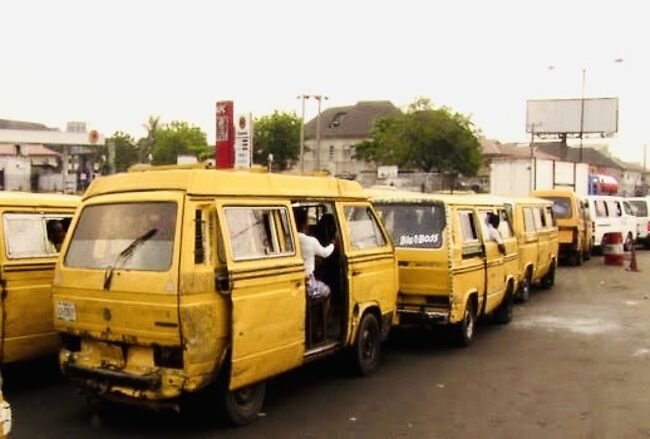
A senior police officer on Wednesday, April 1, told commercial vehicle drivers in Lagos State that no police officer has the right to board their vehicles without paying transport fares.
There have been many instances when police officers will board vehicles, especially commercial buses and refuse to pay transport fares, brandishing their identity cards and referring to themselves as “staff.”
This has caused some disagreements and commotion on roads in some areas of the state as some of the drivers insisted on collecting their fares.
However, the Assistant Inspector-General of Police, Zone 2 command, Mr Olohundare Jimoh, on Wednesday declared that officers must pay fares before boarding commercial vehicles, warning against abuse of authority.
Jimoh said this at Obalende Garage during a sensitisation meeting with drivers and transport workers marking National Police Day 2026.
He stressed that relations between police and the public must be based on partnership and not coercion, urging both sides to support one another voluntarily.
He said: “No police officer has the right to enter your vehicle without paying. We should assist one another willingly, not by force.”
Jimoh called for stronger cooperation to maintain safety and order on roads, insisting there was no conflict between police officers and transport unions.
He said their relationship remained cordial and rooted in mutual respect, dismissing perceptions of persistent friction between both groups.
The AIG warned officers against extortion and misconduct, stressing zero tolerance for unprofessional behaviour within the force.
“I don’t collect money from officers. We don’t arrest people arbitrarily. If you have issues with any officer, report directly to me,” he said.
He urged the public to report harassment or misconduct, assuring that complaints would receive prompt attention and action.
Jimoh advised drivers to avoid confrontations with police officers, urging them to channel grievances through proper authorities.
On safety, he warned against speeding, drunk driving and substance abuse, describing them as major threats to lives on Nigerian roads.
“If you drink, do not drive. Ensure your vehicle is roadworthy. Faulty vehicles can expose you to danger if they break down,” he said.
He also cautioned against chemical stimulants, noting that they impair judgment and increase accident risks.
Jimoh urged discipline, patience and compliance with traffic rules, adding that personal wellbeing and stable homes improve performance.