

By Ebenezer Mabinuola
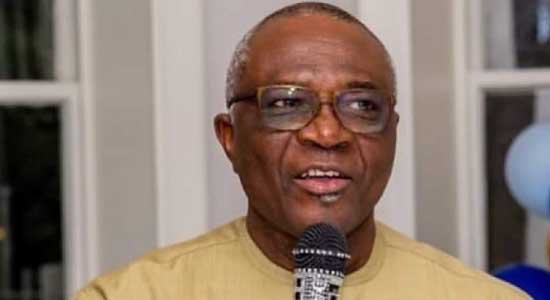
Presidential media adviser Bayo Onanuga has defended the economic policies of President Bola Ahmed Tinubu, arguing that Nigerians are too quick to criticize the administration without acknowledging the crises inherited from previous governments.
Speaking in an interview on Arise TV, Onanuga lamented what he described as a “collective short memory” among the public, which he said has obscured the context behind several painful but necessary reforms introduced since President Tinubu assumed office in May 2023.
“Many Nigerians forget where we started,” Onanuga said. “There was already a fuel crisis before President Tinubu took office. We were battling scarcity, long queues, and NNPC’s inability to import due to over ₦4 trillion in unpaid subsidy debt.”
He pointed to Tinubu’s immediate move to end the fuel subsidy on his first day in office—an action that triggered a sharp increase in pump prices nationwide but, according to the presidential aide, was vital to stabilizing the petroleum supply chain.
“NNPC wasn’t importing anymore because the government owed it massively,” Onanuga said. “The President had to act fast to revive the system. Continuing with the subsidy meant mortgaging the future of our children.”
While acknowledging that the reforms have led to economic pain for many Nigerians, Onanuga emphasized that they are designed to reset a fundamentally flawed system. He highlighted changes in the foreign exchange regime as a key achievement, claiming the administration had curtailed arbitrage and brought greater transparency to currency markets.
“So far, this government has ended distortions in the forex market and ensured more transparency,” he said. “Critics may not give credit, but these reforms are essential and will yield lasting results.”
Onanuga also criticized the legacy of previous administrations, particularly those led by the opposition People’s Democratic Party (PDP), accusing them of sowing the seeds of economic instability that the current government is now trying to address.
“The problems we’re solving today didn’t start with Tinubu,” he said. “They are structural issues that were neglected for years.”
His remarks come as the Tinubu administration approaches its second year in office amid growing discontent over persistent inflation, high unemployment, and a rising cost of living. While supporters view the reforms as tough but necessary corrections, critics argue they have yet to translate into tangible relief for most Nigerians.
On social media, Onanuga’s comments drew swift backlash from citizens who accused the administration of evading responsibility and downplaying the severity of economic hardship. Many argued that while past governments made mistakes, the current administration has not provided a clear pathway to recovery.
Despite the criticism, Onanuga maintained that the Tinubu government remains focused on long-term economic stabilization and urged Nigerians to judge its efforts in the context of the challenges it inherited.
“These reforms are not cosmetic,” he said. “They’re designed to save Nigeria. We must remember where we started and judge fairly.”
As Nigeria’s economic future continues to dominate national discourse, the debate around Tinubu’s legacy remains sharply divided — whether his administration is laying the groundwork for sustainable growth or exacerbating existing hardship.