

The Federal Government has ruled out restoring fuel subsidies and multiple exchange rates, reaffirming its commitment to economic reforms in spite of concerns from international investors and development partners.
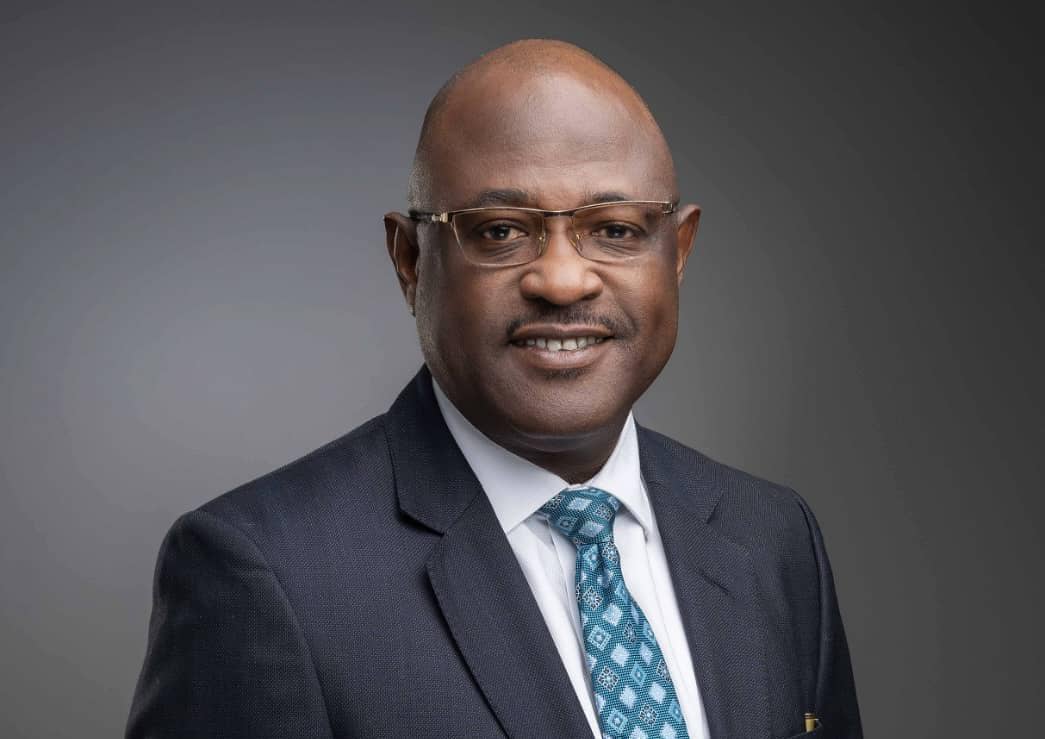
Minister of Finance and Coordinating Minister of the Economy, Mr Taiwo Oyedele, said this at a news briefing following Nigeria’s participation in the International Monetary Fund/ World Bank Group Annual Meetings in Bangkok, Thailand on Saturday, October 17.
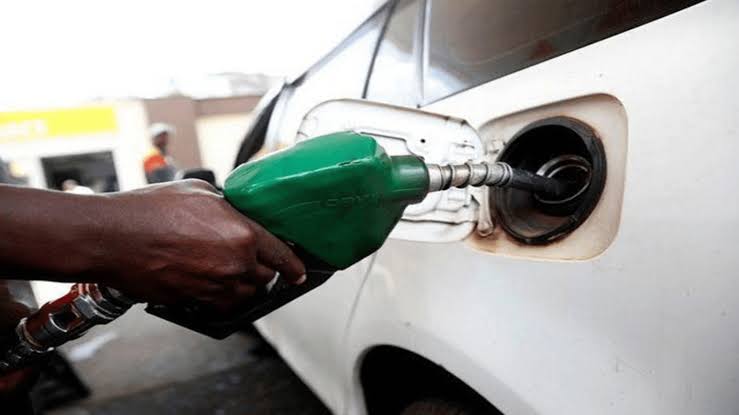
Oyedele said that the recent 30-day retail margin discount on petrol was a time-bound commercial decision by the Nigerian National Petroleum Company Ltd. (NNPC) to reduce margins and support Nigerians.
He said that the measure was not a subsidy funded with public resources.
“Let me be clear: there will be no return to fuel subsidies or multiple exchange rates,” he said.
According to him, questions about a possible reversal of the reforms featured prominently in engagements with rating agencies, investors and multilateral institutions.
He said the government remained focused on translating the gains of economic stabilisation into faster growth, increased investment and decent jobs for Nigerians.
The minister said the economy grew by 4.4 per cent in the second quarter of 2026, while inflation had declined for four consecutive months and was now less than half its peak level recorded about two years ago.
He said that the country’s foreign reserves had risen above $35 billion.
He said that the country’s tax-to-GDP ratio also increased from about seven per cent three years ago to 12.5 per cent at the end of 2025, even after GDP rebasing.
The minister further said that private capital inflows had risen approximately 20-fold, from about 300 million dollars in 2023 to nearly $6 billion in 2026.
He said Nigeria’s debt profile remained manageable at about 36 per cent of GDP, adding that the government was strategically shifting its borrowing portfolio towards cheaper, longer-term and more affordable financing.
Against this backdrop, Oyedele said the government had unveiled 65 investment projects valued at $78.5 billion under the Project Nigeria initiative.
He said the projects covered energy, transport, industry and mining, agriculture, health and services, with each supported by a feasibility study and structured to accommodate private participation by local and foreign investors.
According to him, investors from Asia and Europe have already submitted expressions of interest in the projects.
The minister described the initiative as part of efforts to position Nigeria as an attractive investment destination under the theme, Partner Nigeria: Reformed, Resilient, Ready to Scale.
He said that the government would continue developing the investment pipeline through the ministry’s investment platform to expand opportunities for investors.
On international cooperation, the minister said the World Bank Group had reaffirmed support for power and infrastructure through guarantee instruments and other financing mechanisms.
He said that the IMF had committed to continued technical support for fiscal policy implementation, transparency and national statistics.