The revocation of bail granted to activist and African Action Congress (AAC) presidential candidate Omoyele Sowore has sparked renewed concerns among civil society advocates over the state of civic freedoms and democratic accountability in Nigeria.
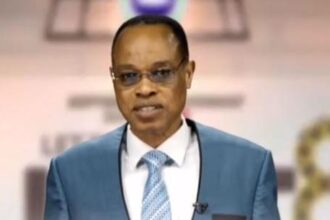
Human rights advocate and publisher of Profiles International Human Rights Advocate, Daniel Nduka Okonkwo, and Tony Christian, Executive Director of the SubNews Empowerment Foundation (SEF), on Wednesday warned that the development could further narrow civic space and discourage legitimate public participation in governance.
Their concerns followed a decision by Justice M.G. Umar of the Federal High Court, Abuja, to revoke Sowore’s bail and issue a bench warrant for his arrest in connection with alleged cyberbullying charges linked to social media comments about President Bola Ahmed Tinubu.
In a joint statement, the rights advocates described the development as a test of Nigeria’s commitment to constitutional rights, freedom of expression, and democratic principles.
According to them, while courts have the authority to regulate judicial proceedings, such powers must be exercised in a manner that protects fundamental rights and upholds the principles of fairness and due process.
“Human rights defenders are not enemies of the state; they are essential stakeholders in strengthening democracy. Any action that appears to silence critical voices risks weakening public trust in democratic institutions and discouraging civic engagement,” Christian said.
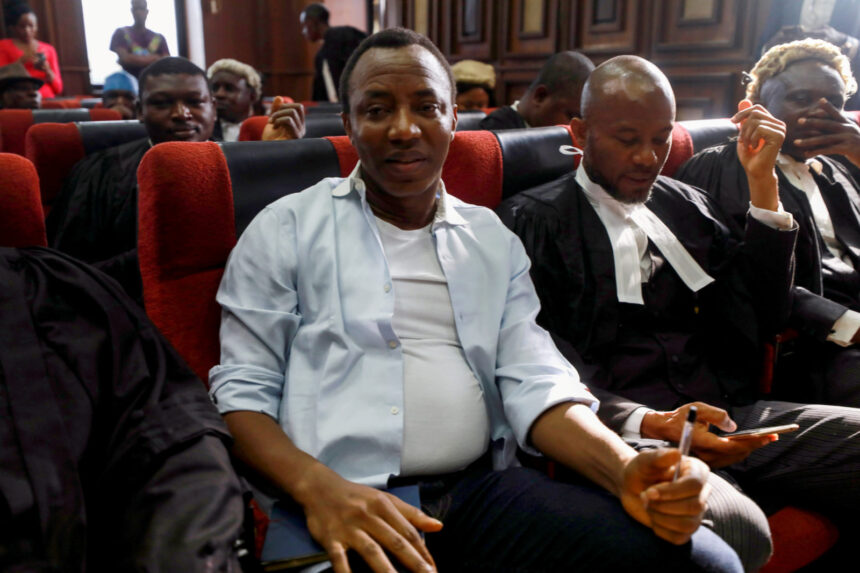
The controversy surrounding the case intensified after reports emerged that the court failed to sit on the matter on Monday, despite Sowore’s presence at the court premises. The activist later disclosed that his bail was revoked even though he had consistently attended previous court proceedings.
Documents obtained by journalists indicate that Sowore had formally written to the Deputy Chief Registrar of the Federal High Court requesting a new date for the ruling on his application seeking Justice Umar’s recusal from the case after the court did not sit as scheduled.
The criminal proceedings stem from charges filed by the Department of State Services (DSS) over Sowore’s public statement describing President Tinubu as a criminal.
Okonkwo argued that actions perceived as targeting activists and human rights defenders could have far-reaching consequences for democratic governance and accountability.
“The continued targeting and arrest of human rights advocates sends a dangerous message to citizens and weakens democratic institutions. Activists serve as the conscience and watchdogs of society. Their voices are essential to transparency, accountability, and the protection of vulnerable populations,” he said.
He added that the arrest or detention of rights advocates could create a chilling effect on public discourse and discourage citizens from expressing legitimate concerns about governance.
“Arresting or detaining human rights defenders creates a chilling effect on public participation, discourages legitimate criticism, and narrows civic space. It undermines public trust in institutions and raises concerns about freedom of expression and access to justice,” Okonkwo stated.
The advocates maintained that democratic societies thrive when diverse opinions are allowed to flourish and urged authorities to ensure that all actions in the matter remain consistent with the rule of law, constitutional guarantees, and Nigeria’s international human rights obligations.
They also called on citizens and civil society organisations to remain peaceful and law-abiding while closely monitoring the legal proceedings.