

By Ebenezer Mabinuola
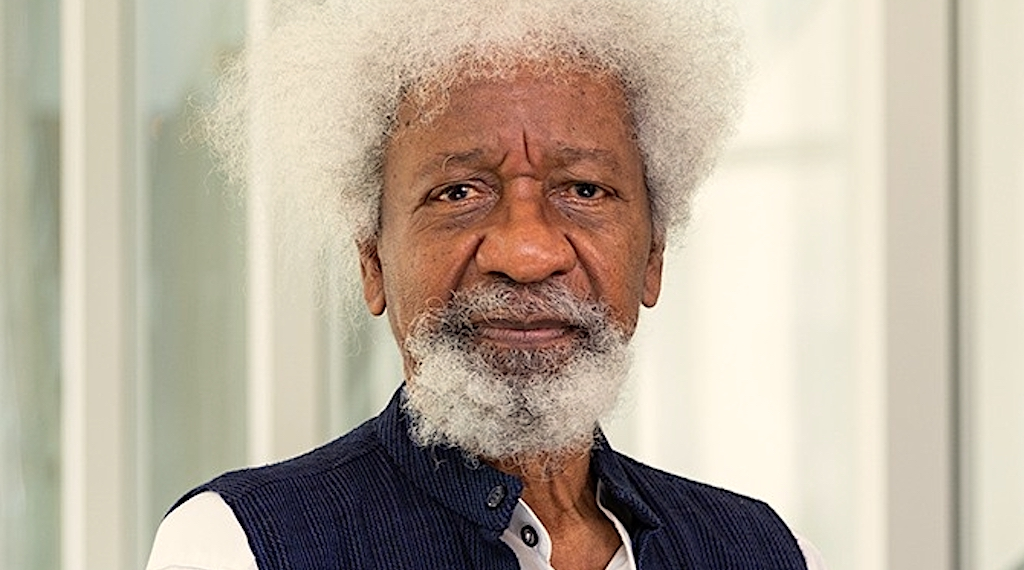
Nobel Laureate Wole Soyinka has called on President Bola Tinubu to launch a formal investigation into the unresolved killings of key figures in Nigeria’s June 12 pro-democracy movement.
Speaking during a reflective session titled “June 12: Romancing the Embers” held at Freedom Park, Lagos, on Saturday, June 14, Soyinka urged the government to move beyond annual rituals and provide long-overdue justice.
The event, attended by select journalists, was part of extended commemorations of Democracy Day, observed nationwide on June 12. Soyinka’s remarks focused on the unresolved deaths of journalist Dele Giwa, former Attorney General Bola Ige, and pro-democracy activist Kudirat Abiola — all seen as symbols of Nigeria’s turbulent struggle for democracy.
“These unresolved and suspicious deaths must be investigated transparently,” Soyinka said, stressing that true honor for democracy heroes requires action, not just remembrance. He added that some Nigerians, at home and abroad, may possess critical information that could help reopen and possibly resolve the cases.
Dele Giwa, co-founder of Newswatch magazine, died in 1986 from a parcel bomb — a first in Nigerian history. Bola Ige, a prominent political figure, was assassinated in 2001 while serving as Minister of Justice. Kudirat Abiola, wife of the acclaimed winner of the annulled 1993 election, MKO Abiola, was gunned down in 1996 during the military regime. Their killers have never been brought to justice.
Soyinka also dedicated his national honors to the late Dr. Beko Ransome-Kuti, another leading voice in the June 12 struggle, who died in 2006. The dedication served as a tribute to the wider legacy of democratic activism in Nigeria.
The appeal comes at a time when Nigeria continues to grapple with calls for accountability, reconciliation, and justice for historical wrongs. While the government has yet to respond to Soyinka’s appeal, his statement is already stirring debate about transitional justice and the need to revisit unresolved crimes tied to Nigeria’s democratic evolution.
As of Saturday evening, June 14, there had been no official comment from the Presidency. However, Soyinka’s call may shape public discourse ahead of future Democracy Day commemorations, highlighting the persistent gaps in Nigeria’s quest for justice and democratic consolidation.