By Olusegun Obisanya
Infrastructure forms the backbone of any thriving economy. In developing nations like Nigeria, financing large-scale projects often hinges on access to credit. When managed responsibly, borrowing can be a powerful tool to drive national development — especially when linked to productive investments.
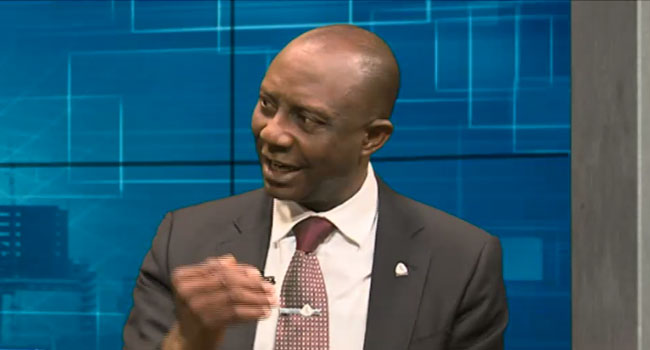
This forms the fulcrum of the submissions of Dr. Biodun Adedipe, a leading economist and development strategist, at a recent Nairametrics podcast. According to Dr. Adedipe, Nigeria can leverage credit more effectively to fuel infrastructure delivery and sustainable growth.
The core idea is simple: borrowed funds should support growth – enhancing projects. When credit is used to finance roads, railways, power plants, and other critical infrastructure, it creates ripple effects — businesses flourish, jobs are created, tax revenue increases, and toll income provides funds for debt repayment. This virtuous cycle transforms credit into a tool for progress, not a financial burden.
Unfortunately, much of Nigeria’s past borrowing has gone toward recurring expenses rather than capital investments, resulting in liabilities without productive returns. To break this pattern, Dr Adedipe believes the country must shift toward borrowing strictly for well-defined, economically viable projects with measurable outcomes.
To ensure infrastructure projects meet national needs — not political ambitions — Nigeria needs a performance-driven approach to governance. Ministries and agencies should be assessed based on clear metrics. For example, a Transportation Ministry might be evaluated by the number of operational transit corridors and the volume of commuters served. This accountability model ensures that government projects are aligned with real developmental goals.
One of Nigeria’s most persistent challenges is the discontinuity of infrastructure projects with changes in leadership. With over 30,000 abandoned projects nationwide, the lack of policy continuity hampers long-term progress. Sustainable development requires political will to maintain institutional consistency, even during transitions in government.
Adedipe further argued that recent policy changes — such as the removal of fuel subsidies and the unification of exchange rates — represent difficult but necessary steps to stabilise the economy. While these reforms have been painful in the short term, they are restoring transparency, correcting market distortions, and encouraging investor confidence.
Infrastructure is not just physical. Human capital is equally important. With youth comprising over 70 percent of Nigeria’s population, investing in education, healthcare, and digital skills is essential. These “soft infrastructure” investments reduce inequality, enhance productivity, and help young Nigerians create jobs and compete globally.
In the short term, labour-intensive public works programs — such as urban renewal and public maintenance — can address unemployment while contributing to national development. These initiatives offer income, foster a sense of civic responsibility, and boost tax participation.
He believes Nigeria is not alone in borrowing to finance development. Major economies such as the U.S., China, and Germany have used credit to build their infrastructure. The key difference is how effectively those countries deploy borrowed funds — with strong systems of oversight and clear economic returns.
For Nigeria, the future lies not in how much is borrowed but in how well it is used. By linking every naira of debt to measurable impact, Nigeria can transform credit from a liability into a launchpad for inclusive growth, economic resilience, and national prosperity.