

By Olatunbosun Obafemi
In a historic shift in Western foreign policy, Britain, Canada, and Australia on Sunday formally recognised a Palestinian state, breaking with decades of cautious diplomacy that tied such recognition to a negotiated peace with Israel. Portugal is also set to follow suit during the United Nations General Assembly in New York.
“Today, to revive the hope of peace for the Palestinians and Israelis, and a two-state solution, the United Kingdom formally recognises the State of Palestine,” UK Prime Minister Keir Starmer announced on X. His Canadian counterpart, Prime Minister Mark Carney, echoed the move, declaring Canada’s readiness to partner with both Palestine and Israel “in building the promise of a peaceful future.”
The decision, the first by G7 nations, comes amid mounting global outrage over Israel’s military campaign in Gaza, launched after Hamas’s October 7, 2023, attack on southern Israel that killed more than 1,200 people. Gaza’s health ministry says at least 65,000 people, mostly civilians, have since died in Israel’s retaliatory offensive.
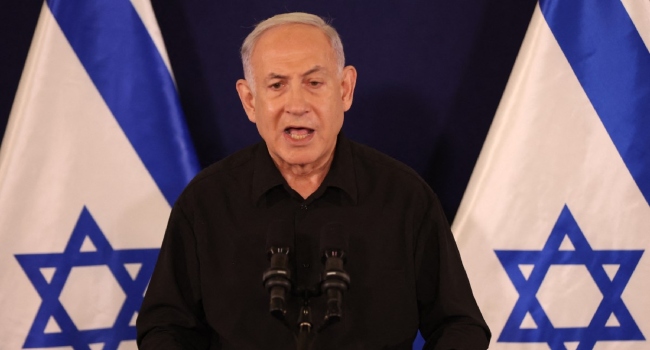
Israeli Prime Minister Benjamin Netanyahu condemned the recognitions as “an absurd reward for terrorism,” vowing at the UN to block Palestinian statehood. He insisted no Palestinian state would be established “west of the Jordan River” and pledged to continue expanding Jewish settlements in the occupied West Bank.
Public opinion has played a role in the shift. In Britain, polls show strong support for Palestinian recognition, particularly among young people, while mass demonstrations have kept pressure on the government. Deputy Prime Minister David Lammy described the move as an attempt to preserve the possibility of a two-state solution, even as he admitted it would not immediately ease Gaza’s humanitarian crisis or secure the release of hostages still held by Hamas.
More than 140 of the UN’s 193 member states already recognise Palestine, but Sunday’s decisions mark the most significant support yet from major Western powers.