

By Nchetachi Chukwuajah
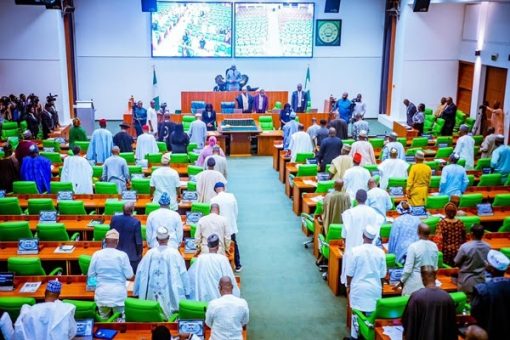
Seventeen members of the House of Representatives have defected from the African Democratic Congress (ADC) to the Nigeria Democratic Congress (NDC).
The Reps’ members’ notices of defection were announced by the Deputy Speaker of the House, Benjamin Kalu, during plenary on Tuesday, May 5.
Also announced was the defection of Leke Abejide from the ADC to the All Progressives Congress (APC).
Lawmakers who defected from the ADC to NDC include Yusuf Datti, Uchenna Okonkwo, Adamu Wakili, Thaddeus Attah, George Ozodinobi, Lilian Orogbu, Oluwaseyi Sowunmi, Peter Aniekwe, Mukhtar Zakari, George Oluwande, and Munachim Umezuruike.
Others are Emeka Idu, Jesse Onuakalusi, Ifeanyi Uzokwe, Afam Ogene, and Abdulhakeem Ado.
ALSO READ: Obidients move en masse to NDC after Peter Obi’s defection from ADC
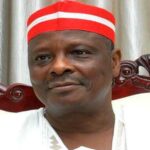
The lawmakers’ defection to the NDC came two days after former Anambra State Governor, Peter Obi and his Kano State counterpart, Musa Kwankwaso, formally joined the Nigerian NDC from the ADC.
Obi and Kwakwanso received their NDC membership cards on Sunday, May 3, amid cheers from supporters, shortly after a closed-door meeting with NDC leaders.
They were both welcomed to the NDC by a former Governor of Bayelsa State and national leader of the party, Senator Seriake Dickson.
The former presidential candidate of the Labour Party in the 2023 general election had cited a worsening political climate marked by internal crises, external interference, and growing hostility within party structures as his reasons for leaving the ADC, which he joined from the Labour Party in December 2025.
Obi further described Nigeria’s political space as increasingly toxic, where intimidation, insecurity, and persistent scrutiny have become the norm.
He lamented that systems meant to protect citizens now often work against them, while individuals striving for sincere service face mounting pressure both publicly and privately.
The former Anambra State governor clarified that he did not leave the ADC because of personal grievances with party leaders, but referred to a pattern of internal division, legal disputes, and what he described as the infiltration of destabilising forces—similar to challenges he previously encountered in the Labour Party.
He said, “Let me state clearly: my decision to leave the ADC is not because our highly respected Chairman, Senator David Mark, treated me badly, nor because my leader and elder brother, Alhaji Atiku Abubakar, or any other respected leaders did anything personally wrong to me. I will continue to respect them.
“However, the same Nigerian state and its agents that created unnecessary crises and hostility within the Labour Party that forced me to leave now appear to be finding their way into the ADC, with endless court cases, internal battles, suspicion, and division, instead of focusing on deeper national problems and playing politics built more on control and exclusion than on service and nation-building.”