By Desire Emmanuel
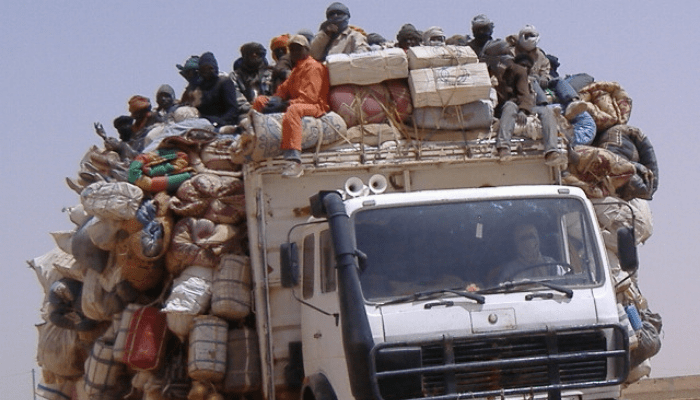
The decisions of many Nigerians to seek greener pasture by embarking on dangerous journeys through the various routes in Africa reared their ugly head again as reports said over 60,300 migrants have returned to Nigeria since 2017 through assisted voluntary return programmes.
The International Organisation For Migration (IOM) gave the startling figure on Saturday, March 14, which further reveals the dire situation regarding how Nigerians take dangerous risks to travel out at all cost.
Ms Sharon Dimanche, IOM’s Chief of Mission in Nigeria, who announced the development at a press conference in Benin City, Edo State, added that many of the returnees were survivors of exploitation and abuse along dangerous migration routes.
She said: “These returns were carried out under programmes to rescue migrants trapped along irregular migration routes and support their reintegration into society.
“Across Nigeria, over 60,300 migrants have returned with IOM’s assistance since 2017, many survivors of exploitation and abuse along dangerous migration routes.”
She said beyond facilitating safe return, the organisation also helps migrants rebuild lives through economic reintegration, psychosocial support and livelihood assistance.
According to her, migration remains a significant humanitarian and development issue in Nigeria, hosting around 3.7 million internally displaced persons due to conflict and disasters.
“Supporting them with shelter, water, protection and basic services is essential,” she added.
IOM’s work in Nigeria focuses on three key priorities: saving lives during migration crises, helping displaced people rebuild, and promoting safe migration pathways.
She warned that many young Nigerians still embark on risky migration journeys due to limited economic opportunities.
“Too many young people still risk their lives on dangerous journeys believing there is no other option. Migration should never be a desperate gamble. It should happen safely, legally and with dignity.
“Migration, when properly managed, can significantly contribute to development but requires collaboration between governments, international organisations, communities and the private sector, she said.
She acknowledged the role of state governments and partners in supporting reintegration programmes and awareness campaigns reducing irregular migration.
“Millions of Nigerians have also been reached through campaigns educating communities on irregular migration risks and safer migration opportunities.
“These figures show progress, but they also remind us that the needs remain very real,” Dimanche stated.