

For the second consecutive night, Ukrainian drones targeted Moscow in a significant escalation of hostilities, forcing the temporary shutdown of all four major airports in the Russian capital. The attacks, which come just days ahead of Russia’s high-profile Victory Day celebrations, mark one of the boldest aerial operations by Kyiv since the conflict began.
Moscow Mayor Sergei Sobyanin confirmed that at least 19 drones were intercepted and destroyed overnight. In a series of statements posted on Telegram, Sobyanin said the drones approached the city “from different directions.” Although debris from the downed drones fell onto a major city highway, no casualties were reported.
The drone strikes reportedly reached within six miles of the Kremlin and Red Square, striking a symbolic blow just ahead of Russia’s Victory Day events, which this year mark the 80th anniversary of the defeat of Nazi Germany in World War II.
Russia’s Ministry of Defense said it had previously intercepted 26 drones during the night of May 5, further underlining the sustained nature of the attacks. Kyiv has carried out several such strikes on Moscow since Russia’s full-scale invasion of Ukraine began in February 2022. The deadliest occurred in March 2025, when three people were killed.
In apparent retaliation, Russia launched a series of airstrikes overnight, including one that ignited a massive fire at the Barabashovo market in Kharkiv, one of the largest markets in Europe. At least four people were injured, and roughly 90 stores were damaged across a 500-square-meter area.
Timeline details released by Russian officials indicate that the first five Ukrainian drones were intercepted shortly after 1:00 a.m., with subsequent waves neutralized over the following hours.
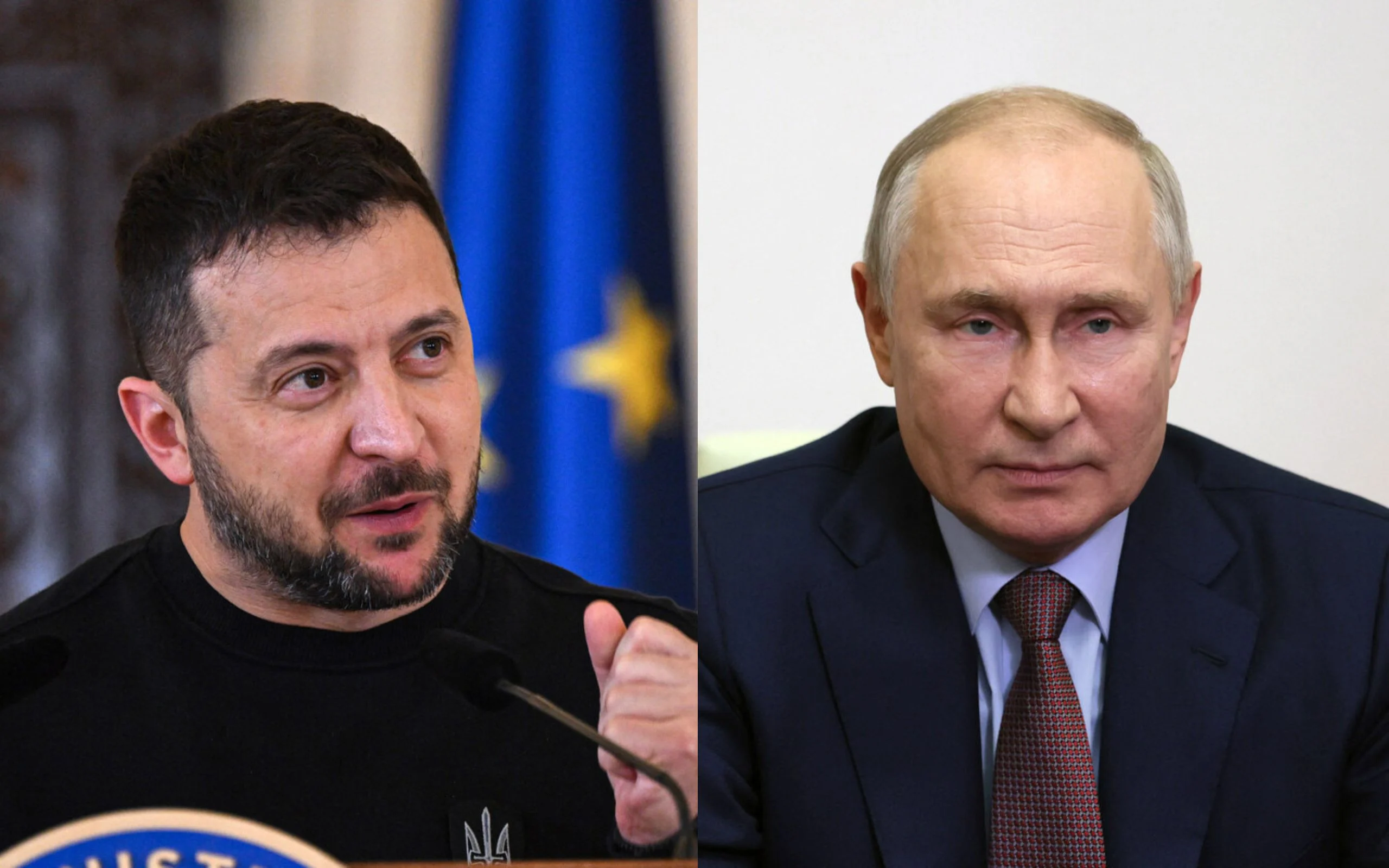
The attacks come amid a tense diplomatic backdrop. Russian President Vladimir Putin had declared a 72-hour unilateral ceasefire to coincide with the May 8 Victory Day commemoration, describing the move as a humanitarian gesture. Ukraine, however, proposed a broader 30-day truce aimed at establishing a path toward a permanent cessation of hostilities—an offer the Kremlin declined.

Ukrainian President Volodymyr Zelenskyy dismissed Moscow’s ceasefire announcement as “cynicism of the highest order,” accusing Russia of continuing its offensive under the guise of goodwill. He also warned that Ukraine could not guarantee the safety of foreign dignitaries planning to attend the Victory Day ceremonies, placing the blame squarely on Russia for rejecting the longer truce proposal.
Emergency services remain active at multiple sites across Moscow, and authorities have said all necessary measures are being taken to ensure public safety.