The Federal Government has begun arrangements to evacuate Nigerians willing to return home from South Africa following renewed anti-foreigner protests and rising tensions in parts of the country.
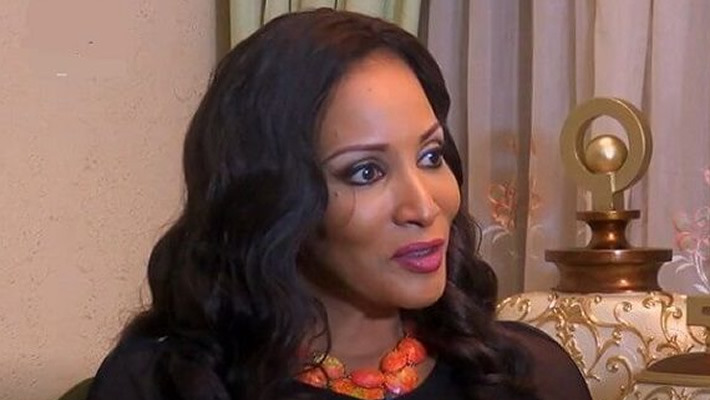
Minister of Foreign Affairs, Mrs Bianca Odumegwu-Ojukwu, disclosed this after a telephone conversation with South Africa’s Minister of International Relations and Cooperation, Ronald Lamola, over recent demonstrations and growing hostility against migrants, especially in Durban.
Odumegwu-Ojukwu said although the South African minister expressed reservations about Nigeria’s evacuation plans, the Nigerian government could no longer ignore what she described as the continued harassment and alleged extra-judicial killings of Nigerians living in South Africa.
“I maintained that our government cannot stand by and watch the systematic harassment and humiliation of our nationals resident in South Africa, as well as the extra-judicial killings of our people, and that the evacuation of our citizens who want to return home remains our government’s priority at this time,” she said.
The minister urged South African authorities to take reports of attacks and killings involving Nigerians more seriously and ensure those responsible are sanctioned without delay.
She noted that although the protest held in Durban on Wednesday did not degenerate into violence due to heavy security deployment, Nigerians in the area were advised by the Nigerian Mission to shut their businesses and remain indoors for safety.
Odumegwu-Ojukwu also raised concerns over what she described as inflammatory rhetoric and hostile actions by anti-foreigner groups in South Africa, warning that the situation poses grave risks to the lives and property of Nigerians and other African migrants.
She said Nigerians in South Africa had continued to show restraint despite mounting provocation, adding that persistent hostility could also affect South African businesses and interests in Nigeria.
The minister further revealed that some Nigerian families had reported incidents of bullying involving Nigerian children and children born to Nigerian and South African parents, commonly referred to as “Sougerians.”
According to her, some of the children were allegedly mocked in schools and told to “return to their country,” a development she described as disturbing and capable of causing emotional and psychological trauma.
She said Lamola assured her that South African authorities recognised their responsibility to protect the affected children and had begun engaging relevant education agencies on the issue.
While both countries agreed to sustain diplomatic engagement to ease tensions, Odumegwu-Ojukwu questioned the continued description of the attacks as xenophobia.
“The demand that all foreigners leave South Africa appears to be targeted only at black Africans, which makes one wonder whether what is happening should not be more accurately defined as ‘Afrophobia’ rather than xenophobia,” she said.
She also disclosed that President Bola Tinubu had directed Nigerian missions in South Africa to immediately establish crisis notification centres to assist Nigerians facing threats or distress.
According to her, Nigerians experiencing danger or intimidation have been advised to promptly report such incidents to South African security agencies.
Meanwhile, economists have cautioned against calls for blanket sanctions on South African companies operating in Nigeria, warning that such actions could harm Nigeria’s economy.
The warning followed calls from some quarters, including the Senate and student groups, urging the Federal Government to retaliate economically against South African firms over the repeated attacks on Nigerians.
Senator Adams Oshiomhole had suggested revoking the operating licences of companies such as MTN Nigeria and MultiChoice, while the National Association of Nigerian Students, South-West Zone D, threatened protests against South African businesses in Nigeria.
However, economic analysts argued that shutting down South African-linked businesses would amount to economic self-sabotage.
Acting Head of Research at FSL Capital Limited, Nnoruga Onyedikachi, said the xenophobic attacks were largely driven by socio-economic frustrations in South Africa and not official government policy.
She warned that retaliatory actions against businesses would neither pressure the perpetrators nor solve the underlying issues.
“Such measures would amount to economic self-sabotage and heighten uncertainty without guaranteeing any meaningful change in South Africa,” she said.
Chief Executive Officer of the Centre for the Promotion of Private Enterprise, Muda Yusuf, also opposed sanctions, noting that South African firms operating in Nigeria employ thousands of Nigerians and contribute significantly to the economy.
“Extreme responses, such as targeting South African investments in Nigeria, will be inappropriate and ultimately counter-productive,” he said.
Similarly, Head of Research at Parthian Partners, Olufunmilola Adebowale, said shutting down companies like MTN, Stanbic IBTC and MultiChoice would lead to service disruptions, job losses and reduced investor confidence.
Vice Chairman of Highcap Securities, David Adonri, advised the government to pursue shuttle diplomacy and place travel advisories on South Africa instead of threatening foreign investments.
Also speaking on the issue, the Nigerians in Diaspora Commission maintained that diplomacy remained the best option in resolving the recurring crisis.
Director of Media, Public Relations and Protocol of NIDCOM, Abdulrahman Balogun, described the attacks as “quite appalling” and “very unfortunate,” but insisted that Nigeria must continue diplomatic engagement with South Africa.
“There is no end to diplomacy. We will continue to discuss it,” he said.