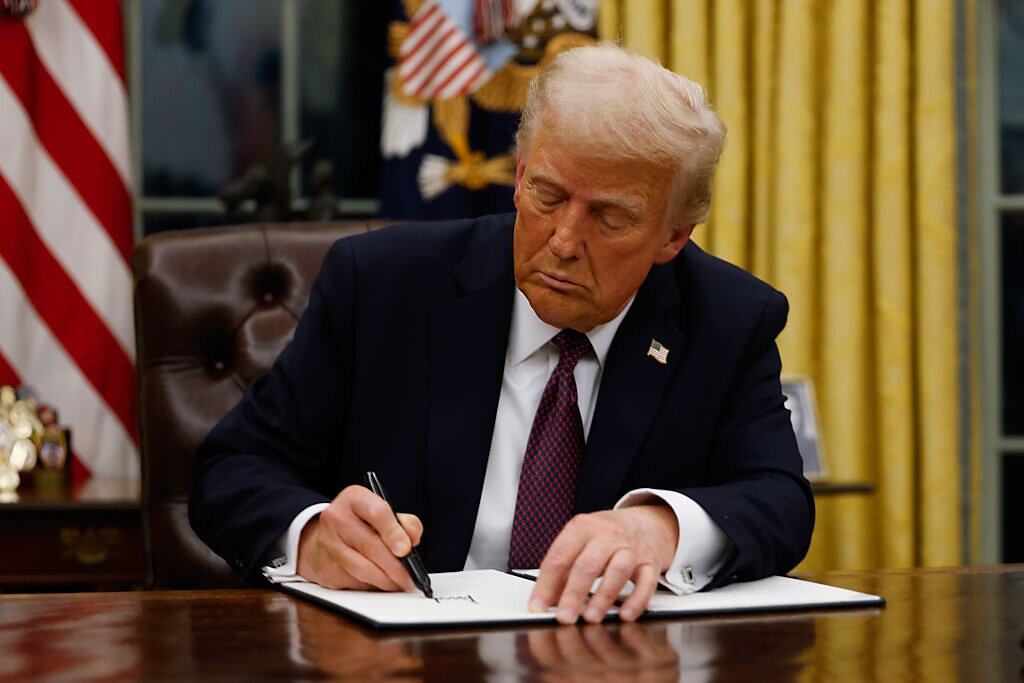
U.S. President Donald Trump has signed a new executive order imposing a travel ban on citizens from 12 countries, citing national security concerns and the need to protect American lives from foreign threats.
According to a statement from the White House, the affected countries include Afghanistan, Burma (Myanmar), Chad, the Republic of the Congo, Equatorial Guinea, Eritrea, Haiti, Iran, Libya, Somalia, Sudan, and Yemen. The administration stated the ban is aimed at preventing the entry of individuals who “pose a risk to public safety and national interests.”
“The recent terrorist attack in Colorado highlights the dangers of unverified foreign nationals entering our country,” President Trump said in a video message. “We must remain vigilant and prioritize the safety of our citizens above all else.”
The travel ban marks a significant escalation in Trump’s immigration policy and is expected to have wide-ranging implications for citizens and visa applicants from the listed countries. Legal experts and immigrant rights organizations have warned of potential humanitarian consequences, particularly for families seeking asylum or reunification.
In a further development, the Trump administration has also suspended student visa issuance to foreign applicants enrolled at Harvard University. No official reason has been provided, though it has sparked criticism from academic and civil liberty groups.
The policy comes in the wake of a violent incident in Colorado, where a 45-year-old man attacked a pro-Israel rally, injuring six people. Authorities stated that the suspect, who reportedly shouted “Free Palestine” during the attack, had entered the country illegally.
Officials say the attack further underscored the urgency of strengthening border controls and immigration vetting procedures. However, civil rights advocates argue the measures may unfairly target entire national populations and exacerbate xenophobia.