


By Elizabeth Godwin
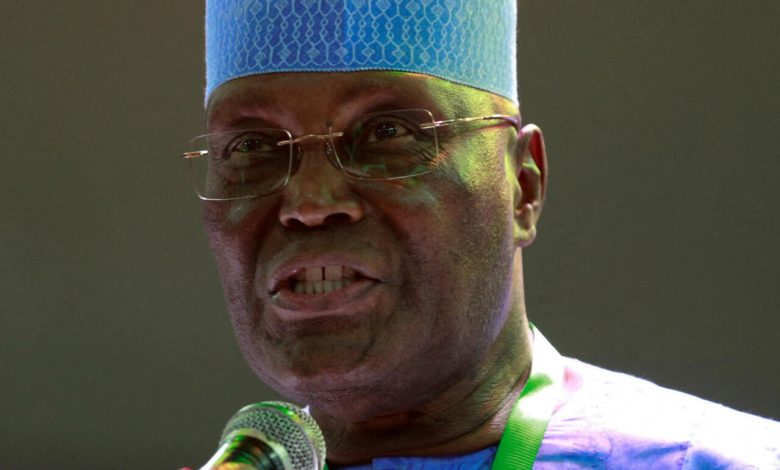
Former Vice President Atiku Abubakar has strongly condemned the police summons issued to former Kaduna State governor, Mallam Nasir El-Rufai, and several leaders of the African Democratic Congress (ADC), describing the move as part of a disturbing trend of political intimidation under the administration of President Bola Tinubu.
The Kaduna State Police Command had on September 4 invited El-Rufai and seven ADC officials for questioning over allegations of criminal conspiracy, incitement of public disturbance, mischief, and causing grievous harm.
A letter signed by the Deputy Commissioner of Police in charge of the Criminal Investigation Department, Uzainu Abdullahi, directed the ADC state chairman to present those accused at the State CID headquarters in Kaduna on September 8. Those listed for questioning include Bashir Sa’idu, Jafaru Sani, Ubaidullah Mohammed (popularly known as “30”), Nasiru Maikano, Aminu Abita, and Ahmed Rufa’i Hussaini, also called “Mikiya.”
Reacting in a statement posted on his social media handles, Atiku linked the development to what he described as a “growing slide towards authoritarianism” in the country. He pointed to similar recent incidents in Katsina and other states as evidence of a broader pattern of repression.
“The summons of Mallam Nasir El-Rufai and leaders of the ADC in Kaduna, the brazen attack on former Attorney General Abubakar Malami, and the violent disruption of the Katsina Elders Forum meeting on security reforms are not isolated incidents,” Atiku wrote. “They signify a coordinated and dangerous assault on dissenting voices, civic freedoms, and the very essence of pluralistic democracy.”
The former vice president cautioned that the use of security agencies to target political opponents risked eroding Nigeria’s democratic foundations. He warned that unless unchecked, such practices could return the country to the shadows of authoritarian rule.
He further urged Nigerians across political and ethnic lines to defend democracy, stressing that civic freedoms should not be left to opposition figures alone to protect.
“Power is transient,” Atiku declared. “But history will harshly judge those who wield it against the people instead of in their service. Nigeria belongs to all of us, not just the ruling party or any single individual.”