By Desire Emmanuel
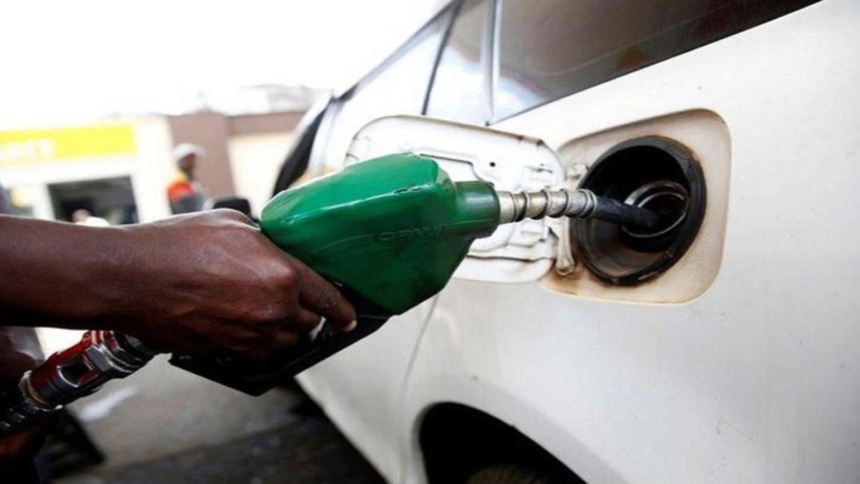
Some motorists in the Federal Capital Territory (FCT), Abuja, on Wednesday , March 11, expressed concern over the quality of Premium Motor Spirit (PMS), popularly known as petrol, being presently sold.
The motorists said they are getting low-quality petrol despite paying up to N1,300 per litre for the commodity.
Mr Simon Uzor, who lives in Kubwa, alleged that the product burns very fast as it does not last long.
“For instance, I live in Kubwa. With the increase in the pump price of petrol, if I buy N10, 000 fuel in my car, it does not take me to and back from the city centre,” he alleged.
Mr Ojo Ibrahim, a commercial driver operating within the Wuse–Area 1 axis, said he had noticed unusual engine performance after buying petrol from a filling station.
“Sometimes when you buy fuel from certain stations, the car begins to behave differently, the engine may knock or the fuel finishes faster than expected,” he said.
Ibrahim called on regulators to carry out routine checks on filling stations to ensure that motorists get value for their money.
Another commercial driver, Abdullateef Isa, said that the fuel in the market now burns faster.
“Due to the nature of my job, I always buy petrol and I know how it used to last or the effect.
“Most of my fellow drivers’ vehicles have broken down due to bad petrol and this has made life more difficult than it is already. Some of them no longer operate, and they have family members,” he said.
Mrs Joy Obinna, a private car owner in Garki, said she had experienced situations where her vehicle consumed more fuel shortly after refuelling.
“You may buy petrol thinking it will last for a few days, but it finishes faster than usual, it makes motorists worry about the quality,” she said.
Another motorist, Mr Ezekiel Offor, urged authorities to sanction any marketer found selling adulterated fuel, saying poor-quality petrol could damage vehicle engines.
A civil servant, Mrs Lydia Emerson, said that before the recent price increase, the fuel sold was of high quality and did not damage car engines.
“I can remember before now, we got value for our money, but now, the situation is different.
“We now buy petrol at expensive costs and at zero value. Most of us civil servants no longer use our vehicles because of the plenty problems attached to it.
“I urge the government to look into this matter critically, we are suffering in silence, we cannot feel well anymore, transportation on the high side, among others,” she said.
The regulatory authorities have however assured Nigerians that mechanisms were in place to safeguard the quality of petroleum products supplied across the country.
An official of the Nigerian Midstream and Downstream Petroleum Regulatory Authority (NMDPRA), said that the agency routinely conducts quality checks on petroleum products at depots and retail outlets.
According to him, the aim is to ensure compliance with national standards.
The official said that fuel quality was tested at different stages of distribution before it reaches consumers.
“We conduct regular monitoring and laboratory tests to ensure that the petrol being sold meets the required specifications.
“Any station found selling substandard or adulterated fuel faces regulatory sanctions,” the official said.
Also speaking, an official of the Nigerian National Petroleum Company Limited (NNPC Ltd.) said that the company remained committed to maintaining quality control across its supply chain.
According to the official, strict procedures are followed in product handling and distribution to prevent contamination.