

The federal government of Nigeria has announced new strategies and action plans to combat growing burden of malaria and antimicrobial resistance (AMR) in Nigeria.
This comes after the National Primary Health Care Development Agency (NPHCDA) announced the rollout of vaccines will commence in Kebbi and Bayelsa states on 2 December (Today).
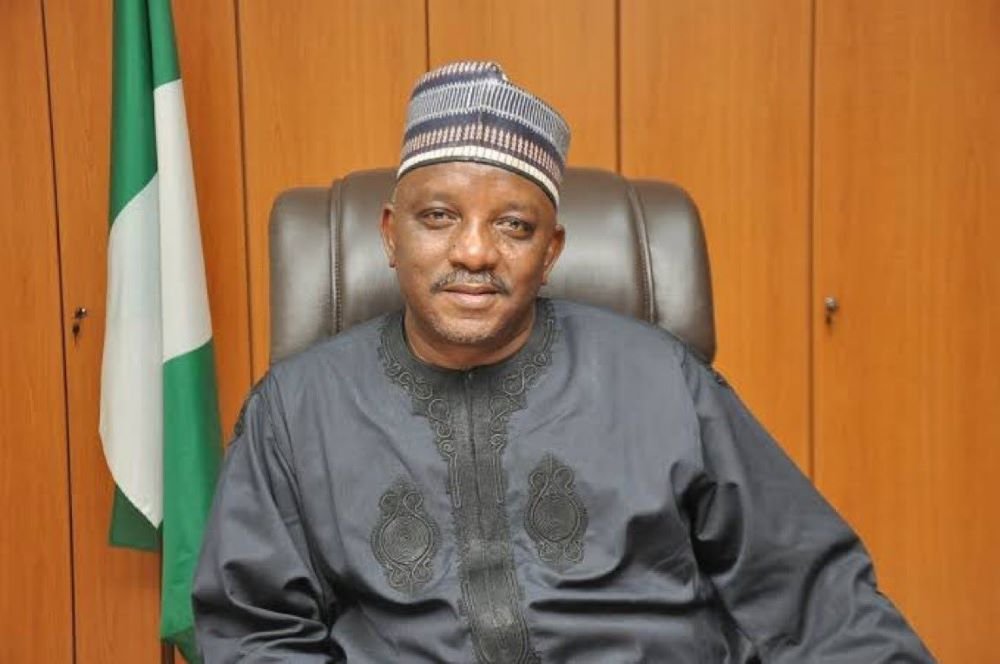
In a new broadcast on Sunday, the Coordinating Minister of Health and Social Welfare, Muhammad Pate said the planned vaccine rollout supports Nigeria’s goal of reducing malaria mortality among children and it will be extended to other states “as financial resources and supplies become available.”
He added that the elimination of malaria is “not predicated on the mobilisation of this important vaccine alone,” but also about a collaborative effort across all levels of government to implement preventive measures and ensure accessibility to treatment.
He also acknowledged the emerging threat of AMR, including anti-malaria resistance, emphasising that AMR poses a threat to the effectiveness of life-saving medicines.
Mr Pate cited the 2023 World Malaria Report, noting Nigeria bears the highest percentage of the global malaria burden accounting for 27 per cent of global estimated malaria cases and 31 per cent of estimated deaths due to malaria.
“We accounted for an estimated 55 per cent of malaria cases in West Africa.
“It is in view of this major challenge, the administration has worked closely with international partners, including the vaccine Alliance Gavi, UNICEF, the World Health Organisation (WHO) to receive the first batch of 800,000 doses of the malaria vaccine in October,” he said.
He acknowledged the support from the Global Fund, Gates Foundation, World Bank, USAID, President’s Malaria Initiative, and GAVI Alliance partners, among others.