

By Ebenezer Mabinuola
In a rare display of institutional unity, both the Senate and House of Representatives will hold a joint commemorative session in Abuja on June 12. Key speeches will be delivered by Senate President Godswill Akpabio, Speaker of the House Tajudeen Abbas, and President Bola Ahmed Tinubu, who is expected to give a special Democracy Day address.
The legislators will also deliberate briefly on key democratic reforms, including amendments to electoral laws, local government autonomy, and strategies to promote national cohesion. The joint session is being positioned as a national platform to assess Nigeria’s democratic progress and identify areas for institutional strengthening.
Ahead of the celebration, civil society organizations and political analysts have urged that the day go beyond symbolic remembrance. Groups such as the Civil Rights Coalition and the Nigerian Bar Association have called on the government to use the occasion to reaffirm its commitment to democratic accountability, press freedom, and electoral transparency.
Security agencies have assured Nigerians of safety throughout the commemorative events. Parades, civic lectures, and cultural displays are expected in many states, particularly in the South-West, the birthplace of the June 12 movement.
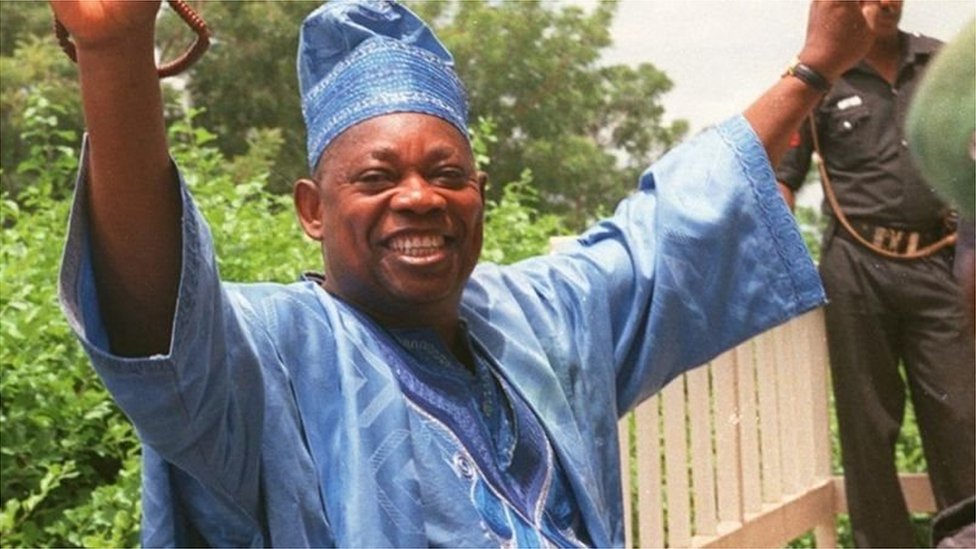
Lagos State will host a Democracy Day Festival, while Ogun State—home to the late Chief MKO Abiola, the presumed winner of the annulled 1993 election—will hold a wreath-laying ceremony and a public symposium in his honour.
As Nigeria marks 26 years since the return to democratic rule in 1999, the 2025 Democracy Day offers a powerful moment for national introspection and renewal. Through a declared public holiday and a historic joint parliamentary session, the Federal Government appears determined to honour the spirit of June 12 not merely with ceremonial gestures but through dialogue and legislative action.
Whether these symbolic acts will lead to lasting democratic reforms, however, remains the question on the minds of many Nigerians.