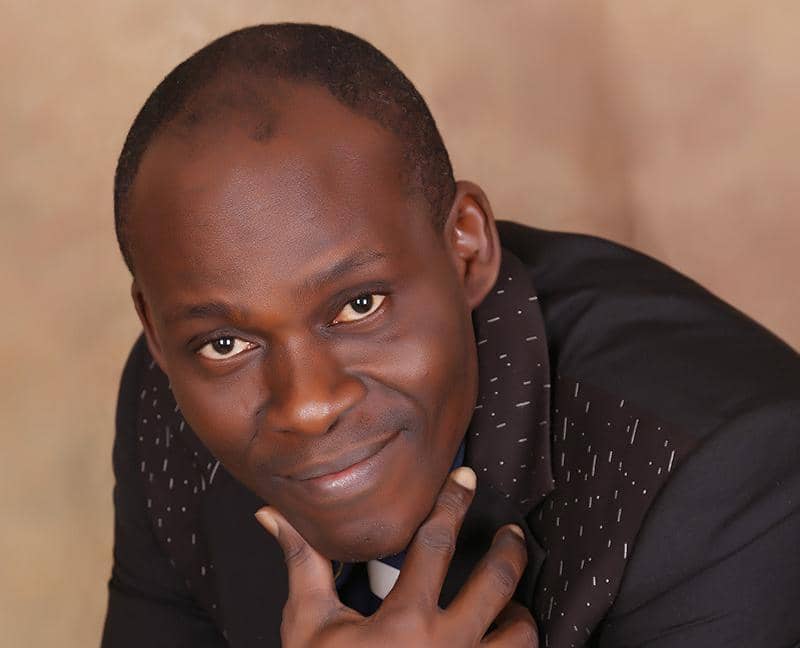


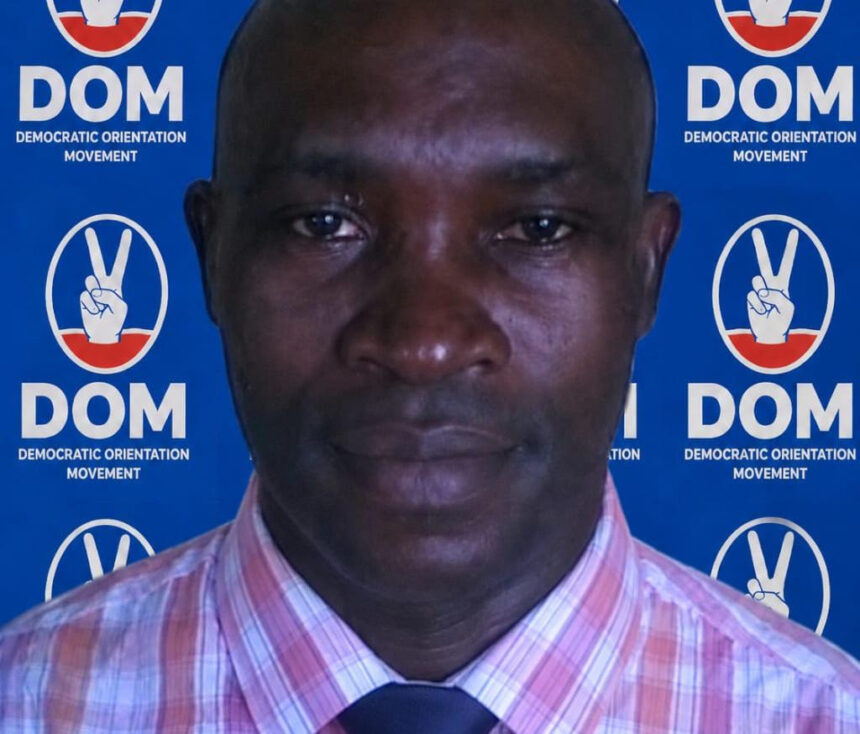
By Comrade Akido Agenro
By any democratic standard, no institution is above the law. The strength of a democracy lies not in the power of its institutions but in their willingness to operate within constitutional limits. When any arm of government begins to exercise powers beyond its legal mandate, the rule of law is weakened, civil liberties are threatened, and democracy itself is placed at risk.
This concern has once again come into focus following the display of a banner at the entrance of Abati Barracks in Surulere, Lagos, prohibiting persons with certain physical appearances—including beards, tattoos, piercings, long fingernails, sagging trousers, and similar features—from entering the military facility.
While every military institution has the authority to enforce discipline and regulate the conduct and appearance of its personnel, extending such restrictions to members of the civilian public raises serious constitutional and democratic concerns. The Nigerian Armed Forces are creations of the Constitution and derive all their powers from it. Consequently, they remain subject to the same constitutional principles that govern every public institution.
Citizens do not surrender their constitutional rights simply because they approach a military facility for lawful business. Restrictions on access should be based on legitimate security considerations, not personal appearance or lifestyle choices that are otherwise lawful. Any policy that appears arbitrary or discriminatory risks violating the principles of equality, dignity, and the rule of law upon which democratic governance rests.
History reminds us why these issues deserve careful attention. Nigeria’s past is marked by prolonged military rule, during which constitutional safeguards were frequently suspended and civil liberties severely curtailed. One of the most tragic episodes was the 1977 attack on the Kalakuta Republic, the residence of Afrobeat icon Fela Anikulapo-Kuti. The invasion resulted in widespread destruction and the fatal injuries sustained by his mother, Chief Funmilayo Ransome-Kuti. The absence of accountability for those responsible remains a painful reminder of the dangers of unchecked military power.
More than two decades after Nigeria’s return to democratic rule, the nation has made remarkable progress in establishing civilian supremacy over the military. However, democracy requires constant vigilance. Even seemingly minor actions that suggest institutional disregard for constitutional boundaries deserve public scrutiny because they may gradually normalize conduct inconsistent with democratic values.
Professional armed forces are distinguished not merely by their operational effectiveness but by their unwavering commitment to constitutional order. Every officer and soldier must understand that their ultimate loyalty is to the Constitution and the Nigerian people—not to institutional privilege or arbitrary authority. Respect for civilian rights is not a weakness; it is the defining characteristic of a disciplined military operating within a democratic state.
Nigeria’s democracy will continue to mature only when every public institution faithfully respects the limits of its authority. The Constitution must remain supreme, accountability must be non-negotiable, and the rights of citizens must never be sacrificed at the altar of institutional excess.
The enduring lesson is simple: democracy flourishes where power is restrained by law. Any departure from that principle, no matter how small, should concern every Nigerian committed to the nation’s democratic future.
Comrade Akido Agenro is the National Coordinator, Democratic Orientation Movement, 45 Ike-Oluwa Street, Obawole Lagos. 09066999967