

By Olatunbosun Obafemi
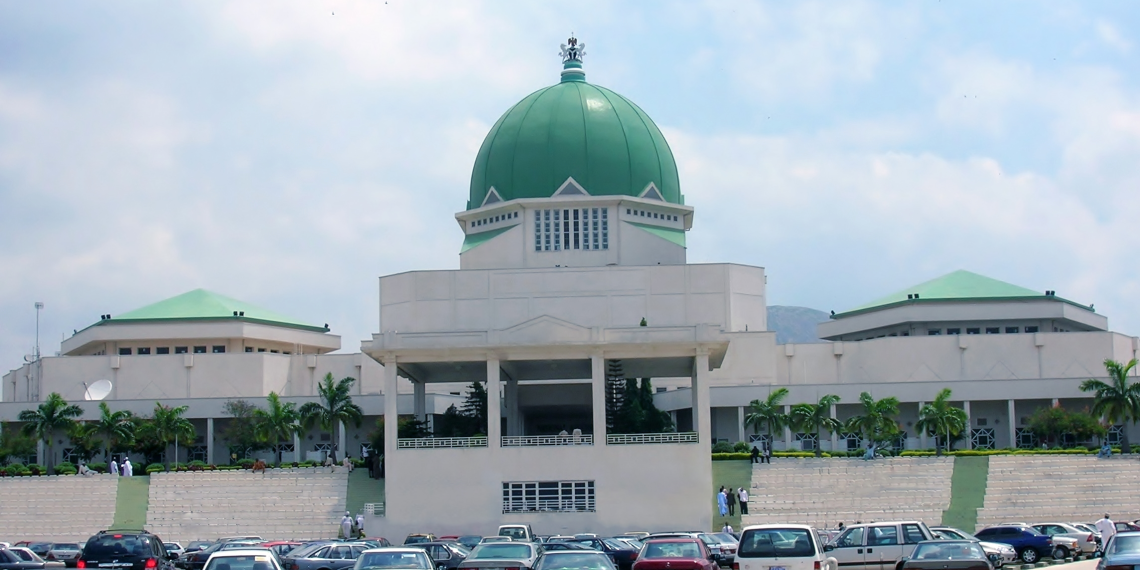
In a move stirring debate across the country, the National Assembly has proposed a bill that could relocate Nigeria’s presidential inauguration ceremony from the historic Eagle Square to the legislature’s own grounds – a striking shift from tradition with wide-ranging implications.
Unveiled by Senate Leader Opeyemi Bamidele during a press briefing ahead of Democracy Day, the bill aims to institutionalize presidential swearings-in at the National Assembly Complex. If passed, the next president could take the oath of office on the legislature’s steps instead of the familiar open-air square in Abuja’s heart.
“This initiative is not just symbolic; it is practical,” Bamidele said, citing enhanced security, cost savings, and the symbolic unity between the executive and legislature. “The National Assembly is the people’s house. What better place to begin a president’s mandate?”
The plan includes a companion bill requiring the sitting president to deliver the annual State of the Nation Address before a joint session of the National Assembly every June 12—Democracy Day.
Supporters see it as a progressive move to deepen institutional collaboration and modernize ceremonial functions. Critics, however, fear a breach of tradition and an encroachment on executive independence. Legal analysts point out that while the constitution does not specify a location for the inauguration, the spirit of separation of powers must be upheld.
Reactions are mixed. A fictional poll by Naija Public Insight shows 45% support, 35% opposition, and 20% undecided. Even the president-elect is said to be “cautiously supportive,” calling for national consensus before altering such a deeply rooted ritual.
While reminiscent of global practices—some countries hold inaugurations in parliamentary chambers – Nigeria’s democratic history and symbolism make the issue more sensitive. Eagle Square, after all, has hosted decades of inaugurations and national moments.
As the proposed law makes its way through committee reviews and legislative debate, one thing is certain: Nigeria is once again testing the balance between tradition, symbolism, and the evolving face of its democracy