

By Nchetachi Chukwuajah
Chairman of the Presidential Committee on Fiscal Policy and Tax Reforms, Taiwo Oyedele, has said the Federal Government will go ahead with the January 1, 2026, planned commencement of the implementation of Nigeria’s new tax laws despite recent controversy over alleged alterations.
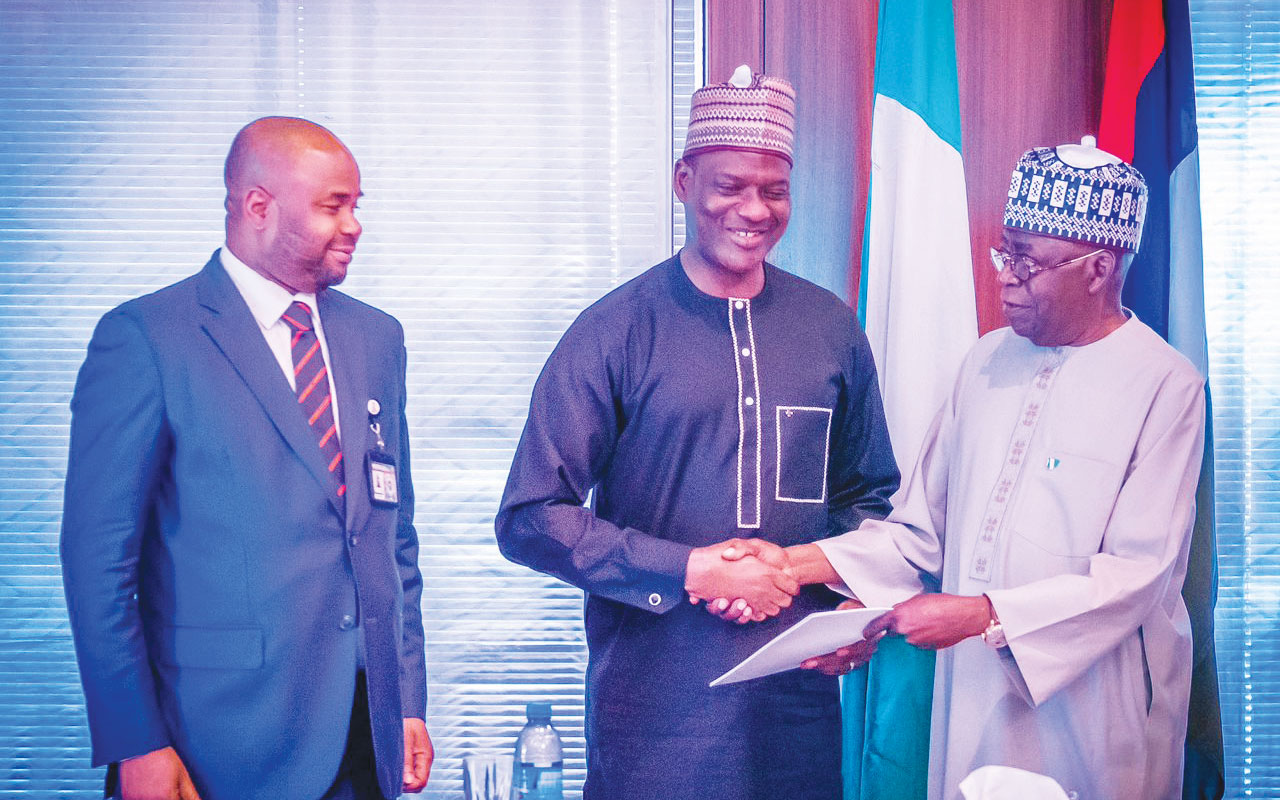
Oyedele stated this on Friday, December 26, after presenting an update on the implementation of the Tax Reform Acts to President Bola Tinubu at his Lagos residence, insisting that there will be no delay in implementing the tax laws.
He was accompanied to the meeting by the chairman of the Federal Inland Revenue Service (FIRS), Zacchaeus Adedeji, and the chairman of the National Tax Policy Implementation Committee, Joseph Tegbe.
Oyedele said the government remained committed to the agreed implementation timeline, noting that two of the four tax reform laws had already taken effect.
“As you are already aware, there are four of those laws, and two of them have already commenced.
“The plan to commence the two remaining new laws on the first of January 2026 will go ahead as planned, on schedule,” he said.
According to him, the Nigerian Revenue Service Establishment Act and the Joint Revenue Service Establishment Act both took effect on June 26, 2025, while the Nigerian Tax Act and the Nigerian Tax Administration Act were scheduled to commence on January 1, 2026, as originally planned.
The tax reform expert commended the intervention of the House of Representatives Ad-hoc Committee, which concluded its work on allegations of alterations to the tax reform bills.
He said, “We welcome the statement by the National Assembly, House of Representatives committee today on the findings and the work around the allegations about alteration,” he said.
Oyedele further noted that the Federal Government would work with the National Assembly if any further action became necessary, but clarified that the implementation timeline would not be affected.
He added that the reforms were deliberately designed to ease the tax burden on Nigerians rather than to generate immediate revenue for the government.
Oyedele explained that the bottom 98 per cent of workers will either pay no Personal Income Tax or pay lower taxes under the new tax regime, while about 97 per cent of small businesses will be exempted from Corporate Income Tax, Value Added Tax, and Withholding Tax.
For large businesses, Oyedele said they would benefit from reduced tax obligations, describing the reforms as pro-growth and inclusive.
“The whole idea is to promote economic growth, inclusivity, as well as shared prosperity for our people,” he said.
On government readiness and revenue expectations, the tax expert said preparation for the reforms began from the moment the bills were submitted to the National Assembly in October 2024.
He explained that the bills spent nine months in the legislature before being passed in June 2025, adding that the period since presidential assent had been used for capacity building, system upgrades, and public sensitisation.
“This kind of reform is a work in progress. You never get to perfection. You get better as you go along,” Oyedele noted.
He added that the early commencement of two of the laws was intentionally designed to allow institutions time to get ready, including the establishment of new structures required for effective implementation.
Oyedele further stressed that the reforms were not targeted at short-term revenue gains but at long-term economic benefits.
“The plan, the intention for this tax reform is not immediate revenue generation,” he said, noting that the government expected revenue to grow organically as economic activity expanded and the tax base widened.