

By Olatunbosun Obafemi
In an era where global security threats transcend borders, the fight against terrorism must be collective, decisive, and rooted in the protection of innocent lives.
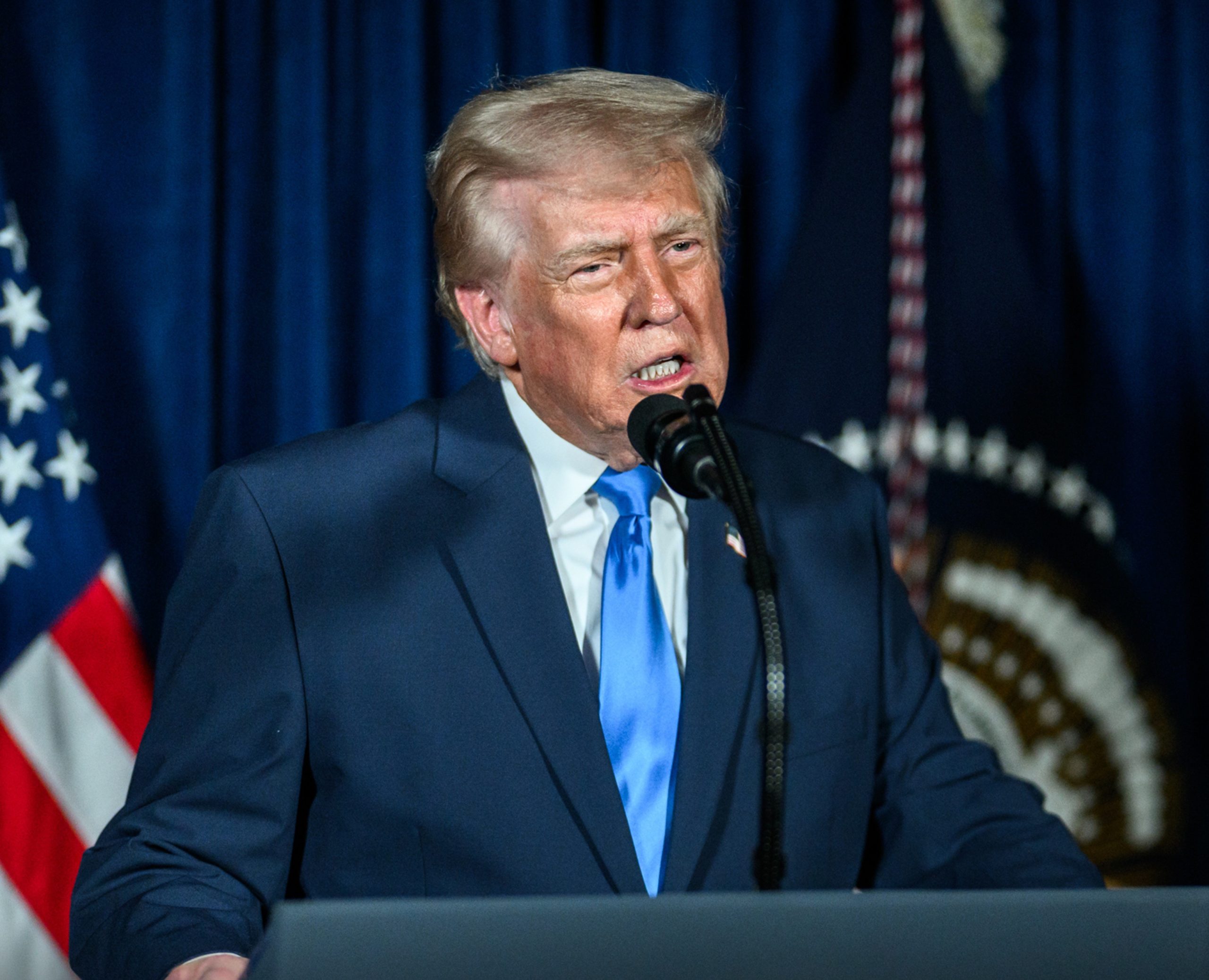
My support for U.S. President Donald Trump’s hardline posture against ISIS (Islamic State of Iraq and Syria) – including reported or hypothetical military action targeting terrorist strongholds in northern Nigeria – stems not from an appetite for war, but from a recognition of the devastating consequences terrorism has had on vulnerable communities across the region.
For more than a decade, northern Nigeria and the wider Lake Chad Basin have endured relentless violence from extremist groups such as Boko Haram and its offshoot, the Islamic State West Africa Province (ISWAP). These groups have murdered civilians, abducted schoolchildren, displaced millions, and weakened already fragile local economies. Their ideology thrives on fear, instability, and the absence of decisive global response. When international actors hesitate, terrorist networks expand.
From this perspective, backing a strong U.S. stance against ISIS is not about American dominance but about global responsibility. Terrorism today is not confined by borders; it is transnational. The same extremist ideology that attacks African villages also inspires attacks in Europe, the Middle East, and North America. Allowing ISIS to entrench itself in any region is a threat to all regions.
President Trump’s foreign policy was often controversial, but one defining element was his willingness to confront extremist groups directly. His administration prioritized the dismantling of ISIS leadership structures in the Middle East, significantly weakening the group’s territorial control. Extending such resolve to Africa – if done in partnership with African governments and in line with international law – signals that no region is expendable or forgotten.
For Nigeria in particular, external support against terrorism is not a sign of weakness. It is a strategic necessity. The Nigerian military has made sacrifices and recorded victories, yet the scale and adaptability of terrorist groups require advanced intelligence, surveillance technology, and coordinated global pressure. U.S. involvement, when properly regulated, can strengthen local capacity rather than replace it.
Critics often argue that foreign military intervention worsens conflicts. This concern is valid when interventions are poorly planned or politically motivated. However, targeted counter-terrorism operations focused on dismantling leadership, supply routes, and training camps – while prioritizing civilian safety – can reduce long-term violence. The alternative, allowing terrorists to operate freely, has proven far more devastating.
Supporting Trump’s stance also reflects a moral position: that the world should not normalize terrorism simply because it occurs far from Western capitals. The victims in Borno, Yobe, Zamfara, and the wider Sahel deserve the same urgency and empathy as victims anywhere else. Silence or inaction sends a dangerous message that some lives matter less.
Importantly, any such action must be accompanied by diplomacy, development, and post-conflict rebuilding. Military force alone cannot defeat extremism. Poverty, unemployment, and political marginalization fuel radicalization. Therefore, backing decisive action against ISIS should go hand in hand with long-term investment in education, governance, and economic opportunity across northern Nigeria.
Nigerians support for President Trump’s tough posture against ISIS in northern Nigeria is rooted in a desire for stability, justice, and the protection of innocent lives. Terrorism thrives in hesitation and division. A coordinated global response – firm yet lawful, strong yet humane – sends a clear message that the world will not tolerate extremist violence anywhere. Africa’s security is global security, and standing against terror is a shared moral duty.